2023 Dimethyl disulfide(DMDS) market research report
2023-08-02
Economic cycle analysis of Dimethyl disulfide
1.Definition and characteristics of cyclical industries
Cyclical industries refer to industries that are highly correlated with domestic or international economic fluctuations, among which typical cyclical industries include bulk raw materials (such as steel), construction machinery, shipbuilding, petrochemical, etc. The characteristic of cyclical industries is that product prices fluctuate periodically. The market price of a product is the foundation of a company's profits. In a market economy, the basis for the formation of product prices is the supply and demand relationship, not the cost. Cost is only a stabilizer of the lowest price of a product, but not the basis for determination.
Cyclical industries are further divided into consumer cyclical industries and industrial cyclical industries. Industrial cyclical industries have a high correlation with macroeconomics
2. Periodic analysis of Dimethyl disulfide industry
(1)Periodic overview of Dimethyl disulfide industry
Dimethyl disulfide (also known as "Dimethyl disulfide ether", "dimethyl disulfide", abbreviated as "DMDS" in English) is mainly used in Methanesulfonic acid, petrochemical, coal chemical industry and other fields, so the industry cycle of Dimethyl disulfide is closely related to the cycle of downstream application industries.
Among them, petrochemical industry and coal chemical industry belong to the basic chemical raw material manufacturing industry, whose production and sales growth is directly affected by the macroeconomic situation, thus affecting the price and demand of Dimethyl disulfide, bringing certain cyclical characteristics to the Dimethyl disulfide industry
(2)Analysis on the relationship between the periodicity of Dimethyl disulfide and downstream industries.
Composition of Dimethyl disulfide industrial chain
The upstream of the Dimethyl disulfide industrial chain is the raw and auxiliary material supplier, the midstream is the Dimethyl disulfide production enterprise, and the downstream is the application enterprises of Methanesulfonic acid, ethylene cracking, propane dehydrogenation, catalyst presulfurization, tar hydrogenation, pesticide and dyeing, food industry, etc. Among them, the upstream raw and auxiliary material supply enterprises can be divided into: raw and auxiliary material enterprises involved in the production of Dimethyl disulfide by Dimethyl sulfate method according to the different preparation routes of Dimethyl disulfide; Raw and auxiliary material enterprises involved in the production of Dimethyl disulfide by methyl mercaptan sulfuration method.
Overview of application fields of Dimethyl disulfide
In China, Dimethyl disulfide is mainly used in Methanesulfonic acid, ethylene cracking, propane dehydrogenation, catalyst presulfurization, tar hydrogenation and other fields.
Welcome to Middle Eastern customers for visiting our factory.
Related Article
On June 10, 2025, led personally by the CEO of our company, the Sales Director, Production Manager, and Export Manager accompanied throughout the process, warmly receiving the Middle Eastern customers who traveled from afar.
Welcome to Middle Eastern customers for visiting our factory.
On June 19-21, 2024, Gansu Nabowang Chemical Products Co., Ltd. was honored engaged and participated in CHPI CHINA 2024 at the Shanghai New International Convention and Exhibition Center.
Warmly Celebrate the Complete Success of CPHI China 2024
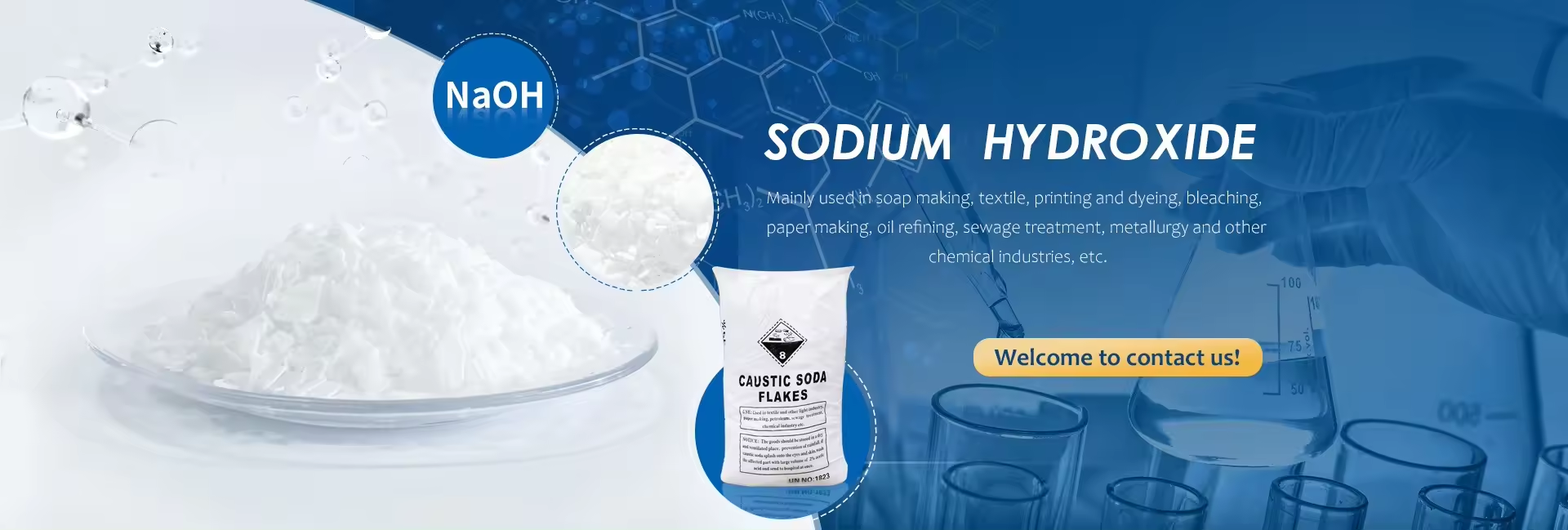
Introduction to Sodium Hydroxide (H1)
Applications of Sodium Hydroxide (H2)
Industrial Uses (H3)
Household Uses (H3)
Safety Measures for Handling Sodium Hydroxide (H2)
Protective Gear (H3)
Storage Guidelines (H3)
Environmental Impact of Sodium Hydroxide (H2)
Alternatives to Sodium Hydroxide (H2)
Conclusion (H1)
Applications of Sodium Hydroxide (H2)
Industrial Uses (H3)
Household Uses (H3)
Safety Measures for Handling Sodium Hydroxide (H2)
Protective Gear (H3)
Storage Guidelines (H3)
Environmental Impact of Sodium Hydroxide (H2)
Alternatives to Sodium Hydroxide (H2)
Conclusion (H1)
Exploring the World of Sodium Hydroxide