Dimethyl Disulfide Market 2026–2027: Global Demand, Supply and Price Outlook
For buyers assessing the DMDS market in 2026–2027, an important development is the expansion of regional supply. Arkema’s new US production capacity adds to its existing manufacturing footprint in France and Malaysia, while Chinese suppliers remain part of the international sourcing landscape.
This article reflects publicly available information reviewed on October 9, 2026. Full-year 2026 market figures remain estimates, and the 2027 outlook is forward-looking.
Global DMDS Market Size and Growth Forecasts
Public market reports generally forecast growth, but their estimates differ substantially.
| Research publisher | Published market estimate | Forecast growth |
|---|---|---|
| Future Market Insights | USD 257.7 million in 2026 | 4.2% CAGR, 2026–2036 |
| Persistence Market Research | USD 1.9 billion in 2026 | 6.6% CAGR, 2026–2033 |
These are publisher estimates rather than audited global sales totals. Their large difference cannot be reconciled from the public summaries alone. Buyers should therefore examine market definitions, product coverage and methodology before using either figure for business planning.
Forecast revenue growth should also be distinguished from consumption growth. Market value can change because of sales volume, prices and product mix.
What Drives DMDS Consumption?
Refining and Petrochemical Operations
DMDS supplies sulfur for activating suitable hydroprocessing catalysts. It also has applications in steam cracking and selected propane and butane dehydrogenation processes.
These uses connect demand to refinery maintenance, catalyst replacement, unit startups and ongoing petrochemical operations. The purchasing pattern varies by application, so procurement planning should distinguish startup requirements from continuing additive consumption.
Renewable Fuel Production
Renewable fuels are a significant area to watch. Arkema explicitly linked its Beaumont investment to demand for DMDS used in converting vegetable oils and agricultural food waste into renewable fuels.
This investment provides a concrete signal of producer expectations. It does not, however, establish a specific growth rate for global DMDS consumption in 2027.
Chemical Manufacturing and Agriculture
DMDS also serves as a raw material in sulfur chemistry. Xingfa’s product information identifies downstream uses including methanesulfonyl chloride and methanesulfonic acid.
Agricultural soil fumigation is another market segment identified in research reports. Its products and distribution requirements should be assessed separately from industrial DMDS supply.
Regional Demand: Where Are the Main Opportunities?
Public reports disagree on regional rankings, making precise consumption shares difficult to verify. For commercial planning, it is more useful to examine the customers and applications behind regional demand.
| Region | Market signals to consider |
|---|---|
| Asia-Pacific | Refining, petrochemical and chemical manufacturing demand; established regional production |
| North America | Refining and renewable fuel demand, supported by new US DMDS capacity |
| Europe | Established industrial customers and existing French production |
| Middle East | Refinery modernization and petrochemical projects identified as demand drivers |
These are areas for market development rather than a verified ranking by DMDS tonnage. Regional production capacity should not be confused with regional consumption.
Global Supply: A Major Capacity Change Entering 2026
Arkema’s 2025 results presentation confirms the startup of its Beaumont DMDS project and reports a 35% increase in the company’s global DMDS capacity.
That figure refers to Arkema’s capacity—not total worldwide capacity, actual output or market share.
The company’s disclosed production footprint includes Lacq in France, Kerteh in Malaysia and the new US capacity. China also has DMDS suppliers, including Xingfa, whose official catalogue lists the product. These disclosures confirm supply locations but do not provide a complete global capacity inventory.
For buyers, the implication is greater scope to compare regional supply options. Actual availability still depends on production utilization, product qualification, contracts and logistics.
DMDS Prices in 2026: What Can Public Data Tell Buyers?
Public quotation platforms provide useful reference points, but they do not necessarily represent completed transactions.
For example, ECHEMI displayed a Chinese domestic price entry of RMB 14,000 per metric ton dated September 30, 2026. Separate supplier entries dated October 2 showed different prices and specifications. These entries do not establish a uniform export benchmark.
A meaningful price comparison should use the same:
-
DMDS purity and impurity specification.
-
Packaging and shipment quantity.
-
Currency and quotation date.
-
FOB, CIF or other agreed delivery basis.
-
Payment and inspection conditions.
The reviewed public data does not establish a reliable global price increase for 2026. Nor does projected market growth mean that DMDS prices must rise in 2027.
DMDS Market Outlook for 2027
Our outlook is that buyers should monitor both demand development and the availability of newly added supply.
| Factor to monitor | Possible purchasing implication |
|---|---|
| Refinery and petrochemical operating schedules | Changes in the timing and size of orders |
| Renewable fuel project startups | Additional demand where the process requires DMDS |
| Ramp-up of new production capacity | Changes in regional availability and supplier competition |
| Feedstock, energy and freight costs | Changes in delivered quotations |
| Customer qualification requirements | Limits on how quickly buyers can switch suppliers |
These are planning considerations, not a forecast of a fixed price or growth rate.
Demand growth alongside additional supply could support greater availability. If demand develops more slowly than supply, competition could intensify. Production interruptions or higher logistics costs could instead tighten delivered availability. Buyers should evaluate these possibilities through current supplier quotations and their own consumption plans.
Buying DMDS for 2026–2027
Procurement teams should prioritize an approved product specification, batch documentation and dependable delivery arrangements.
For recurring purchases, maintaining a monthly record of comparable quotations can provide a more useful price trend than combining unrelated online listings. Recording supplier performance alongside price also helps assess the total value of a supply relationship.
DMDS Supply from NBWCHEM
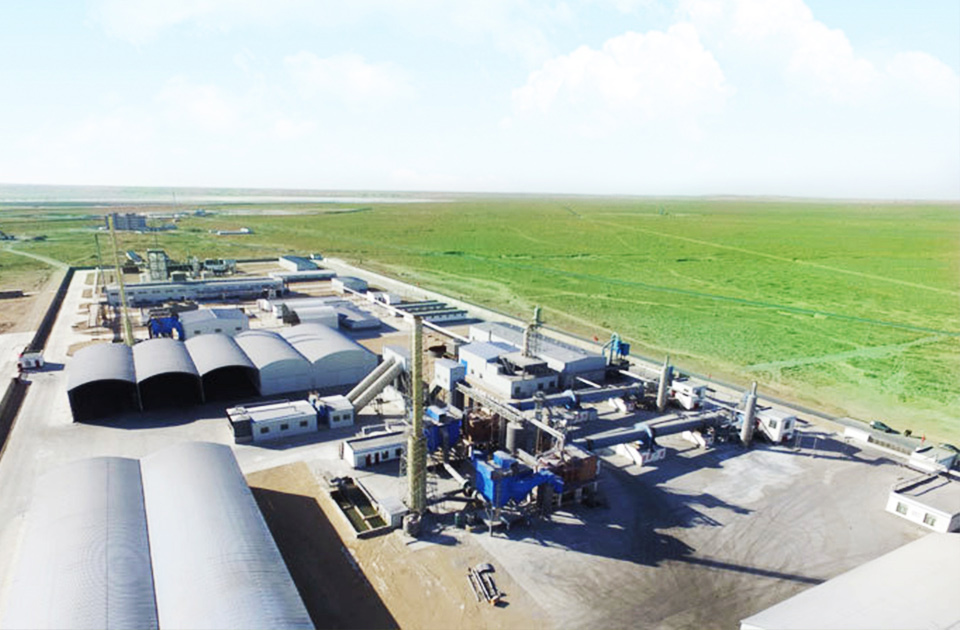
Gansu Nabowang Chemical Products Co., Ltd. manufactures 99.5% DMDS in China, with a minimum order quantity of 1 metric ton.
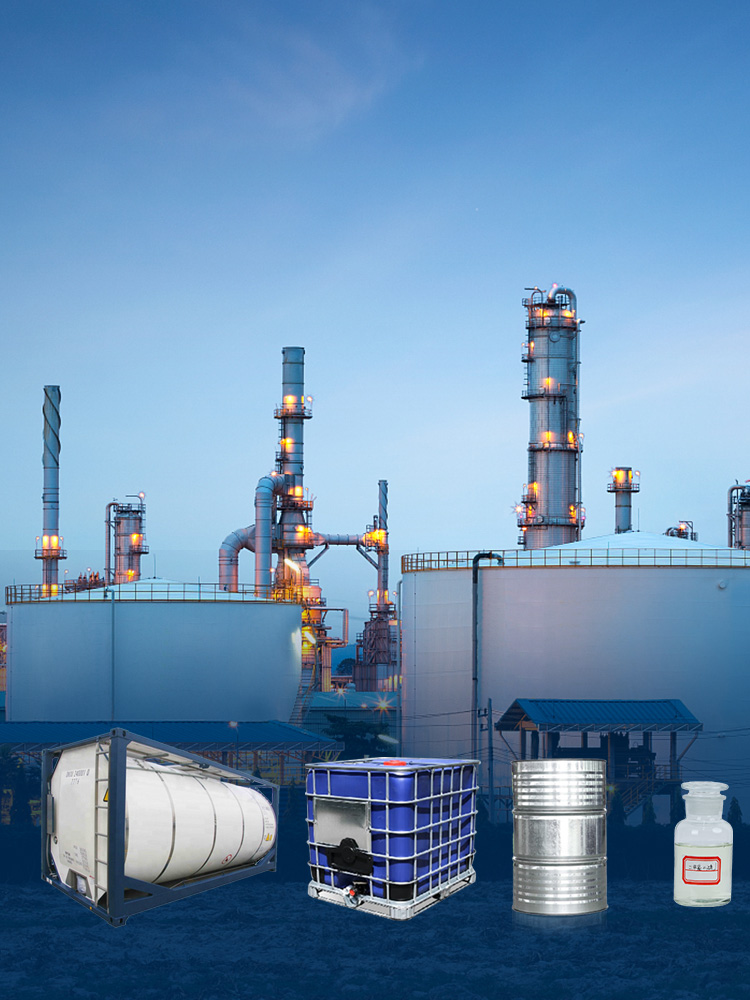
Packaging options include galvanized steel drums, IBC containers and ISO tanks. Shipments can be arranged through Tianjin or Qingdao Port, and third-party inspection before shipment is available.
To request a quotation, provide your product specification, quantity, packaging preference, destination port and required delivery date.
What Is Dimethyl Disulfide Used For?
DMDS in Steam Cracking: Coke Control and Furnace Tube Passivation
Related Article