DMDS in HVO and Renewable Diesel Production

This application is particularly relevant when renewable feedstocks contain insufficient sulfur to support the requirements of the selected catalyst system.
Why Is Sulfur Needed in Renewable Diesel Production?
The need for sulfur comes from the catalyst, rather than a requirement to increase the sulfur content of the finished fuel.
Some hydroprocessing catalysts operate in an active sulfide form. Before entering service, they may need a sulfiding treatment. During operation, the process may also require an external sulfur supply to maintain the appropriate catalyst condition.
Renewable feedstocks can provide insufficient sulfur for this purpose. DMDS can supply the required sulfur where specified by the process design and catalyst manufacturer.
This explains why a plant producing renewable diesel may purchase a sulfur-containing chemical as a process additive.
The Two Main Roles of DMDS
1. Initial Catalyst Sulfiding
Where a catalyst is supplied in an oxide form and requires sulfiding, DMDS can serve as the sulfur donor during the approved activation procedure.
Under suitable hydrogen-containing conditions, DMDS generates hydrogen sulfide (H₂S). This participates in converting the catalyst’s metal components into the active sulfide phases required for operation.
The procedure depends on the catalyst supplied. Catalysts treated before delivery may have different startup requirements from fresh oxide catalysts.
For more information about this mechanism, read our guide to DMDS for catalyst presulfiding and activation.
2. Sulfur Replenishment During Operation
In suitable HVO processes, the role of DMDS can continue after startup.
When the incoming feed does not provide enough sulfur, an external sulfur source can help maintain the catalyst in its sulfided state. DMDS is used for this purpose in applicable renewable fuel hydroprocessing systems.
This creates two distinct purchasing requirements:
| Stage | Purpose of DMDS | Procurement consideration |
|---|---|---|
| Initial activation | Supplies sulfur for the approved catalyst sulfiding procedure | Delivery aligned with the startup schedule |
| Ongoing operation | Replenishes sulfur where required to maintain catalyst condition | Reliable recurring supply and inventory planning |
The quantities and delivery pattern should be based on the plant’s approved consumption plan.
Is DMDS Used in Every Renewable Fuel Process?
DMDS should not be assumed suitable for every catalyst or every stage of renewable fuel production.
The relevant application concerns processes that require a sulfur donor for a sulfided catalyst system. Product selection must follow the requirements of the technology licensor and catalyst supplier.
Before sourcing DMDS, buyers should establish whether it is required for initial activation, ongoing sulfur replenishment, or both. They should also confirm the approved product specification and intended point of use.
Does Adding DMDS Mean Adding Sulfur to the Finished Fuel?
DMDS is introduced for a process and catalyst function. It should not be described as a blending additive intended to increase sulfur in the final renewable diesel.
Its use also does not, by itself, establish that the finished fuel meets a particular specification. Final product quality must be verified through the plant’s processing controls and product testing.
This distinction is useful when explaining the application to purchasing teams: the sulfur requirement of the catalyst and the sulfur specification of the finished fuel are separate considerations.
What Should Buyers Check When Selecting DMDS?
The purchasing specification should reflect the requirements of the actual catalyst and process.
| Item | What to confirm |
|---|---|
| Intended use | Initial sulfiding, ongoing replenishment, or both |
| Product approval | Acceptance by the responsible technical team |
| DMDS assay | Minimum purity and agreed analytical method |
| Impurity limits | Requirements established for the application |
| Batch documentation | Certificate of Analysis and traceability |
| Safety information | Current Safety Data Sheet |
| Packaging | Container and transfer-system compatibility |
| Supply schedule | Delivery timing and expected recurring demand |
A 99.5% DMDS specification describes the product assay, but it does not automatically establish suitability for every HVO installation. Buyers should review the complete specification before approving a supplier.
Why Does Supply Planning Matter?
Startup demand and recurring operating demand require different delivery arrangements.
For catalyst activation, the priority is to have approved material available before the scheduled startup. For ongoing replenishment, procurement teams should coordinate expected consumption, storage capacity and replenishment lead times.
Useful planning information includes:
-
Expected monthly or quarterly requirements.
-
Available storage and unloading facilities.
-
Preferred shipment size and packaging.
-
Delivery lead time and reorder arrangements.
-
Inspection and documentation requirements.
This information helps suppliers prepare quotations that match the plant’s operating needs.
How Should DMDS Performance Be Assessed?
The technical team should assess DMDS as part of the complete process. Successful use depends on the catalyst, feedstock, operating conditions and sulfur-management procedure.
Product purity alone cannot support a fixed claim about catalyst life, fuel yield or operating cost savings. Such claims require evidence from the specific installation.
Injection rates, operating targets and adjustment procedures should therefore come from the approved plant instructions.
DMDS Supply from NBWCHEM
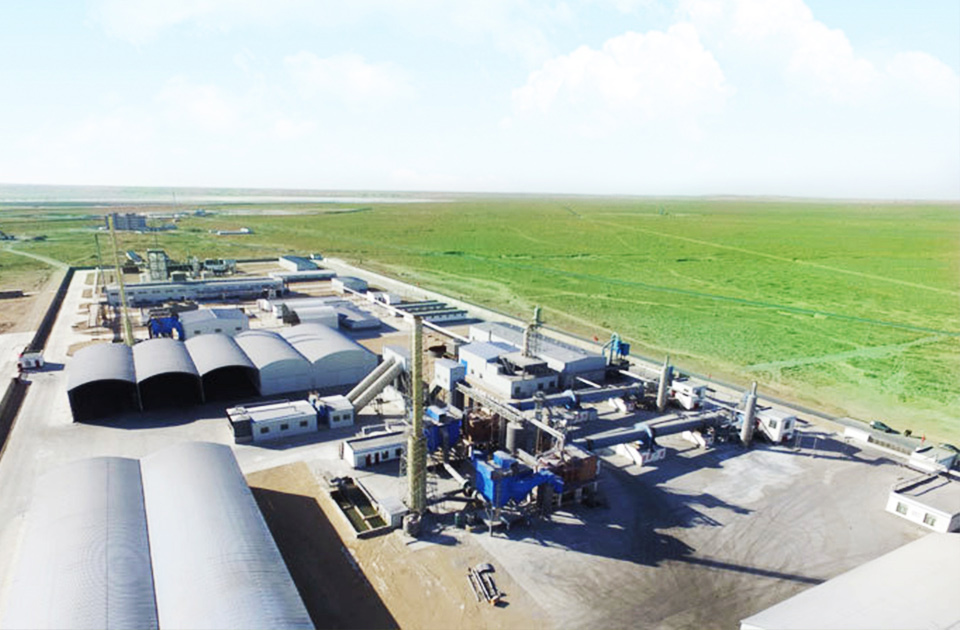
Gansu Nabowang Chemical Products Co., Ltd. manufactures 99.5% dimethyl disulfide (DMDS) in China, with a minimum order quantity of 1 metric ton.
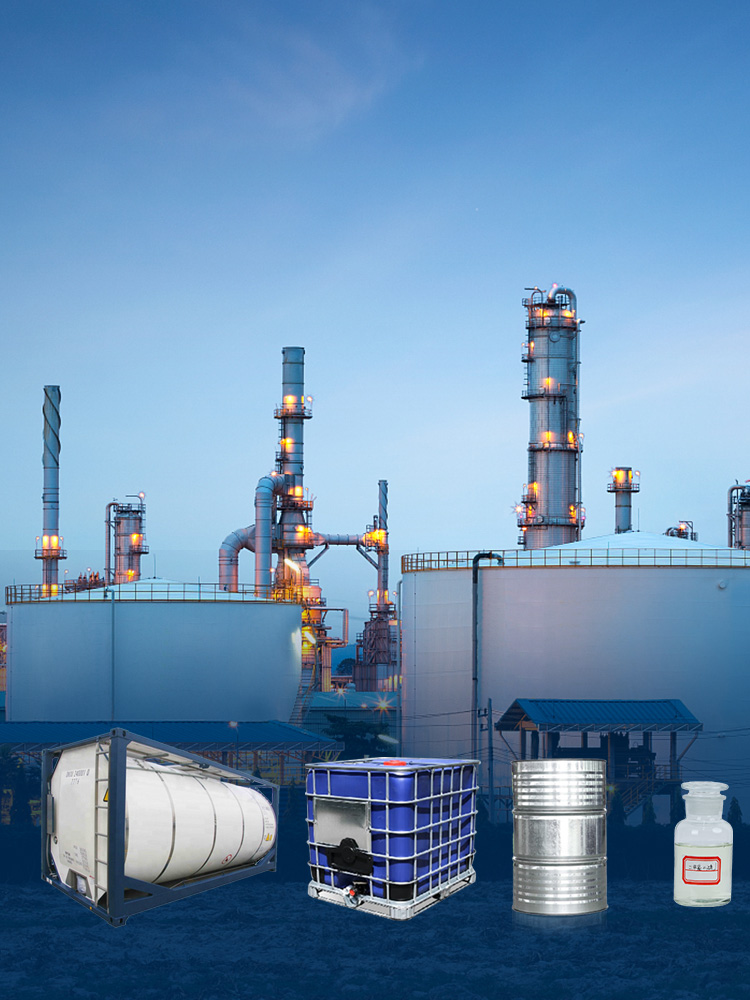
Packaging options include galvanized steel drums, IBC containers and ISO tanks. Shipments can be arranged through Tianjin or Qingdao Port, and third-party inspection before shipment is available.
For HVO and renewable diesel inquiries, provide your approved product specification, intended application, required quantity, packaging preference and delivery schedule.
Dimethyl Disulfide Suppliers in India: A Sourcing Guide
What Is Dimethyl Disulfide Used For?