DMDS for Catalyst Presulfiding in Oil Refining
For refinery buyers, understanding this role helps connect DMDS specifications, supply arrangements and delivery schedules with the requirements of a planned unit startup.
Why Do Refinery Catalysts Need Presulfiding?
Many conventional hydroprocessing catalysts are supplied with their active metals in an oxide form. Before normal operation, these components must be converted into the sulfide phases required for catalytic activity.
This conversion is known as catalyst sulfiding or presulfiding. It prepares the catalyst for service; simply loading a fresh catalyst into the reactor does not necessarily make it ready for operation.
The correct activation method depends on the catalyst supplied. Fresh oxide catalysts, regenerated catalysts and catalysts treated before delivery may have different startup requirements. The catalyst manufacturer’s instructions should therefore define the activation procedure.
How Does DMDS Work as a Sulfiding Agent?
DMDS acts as a sulfur donor. Under suitable hydrogen-containing sulfiding conditions, it converts into hydrogen sulfide (H₂S), with methane also formed. The H₂S then participates in converting catalyst metal oxides into active sulfide phases.
The underlying sequence is:
-
DMDS supplies sulfur to the activation process.
-
Under the specified process conditions, that sulfur becomes available as H₂S.
-
H₂S reacts with the catalyst’s metal components to develop the required sulfide phases.
DMDS therefore supports catalyst activation through sulfur delivery. It is not itself the catalyst that performs the subsequent refining reactions.
DMDS in Hydrotreating Applications
Hydrotreating prepares petroleum streams for further processing or helps produce fuels that meet required specifications. Depending on the feedstock and process, it can include sulfur removal and other upgrading reactions.
For hydrotreating catalysts that operate in sulfide form, DMDS can supply the sulfur needed during activation. Successful presulfiding establishes the catalyst condition required before normal feed processing.
This explains an apparent contradiction: a refinery may add a sulfur-containing chemical during startup to prepare a catalyst that will later remove sulfur from the feedstock. These are different stages with different purposes.
DMDS in Hydrocracking Applications
DMDS can also be used when an approved hydrocracking catalyst activation procedure requires a sulfur donor. Its suitability depends on the catalyst system and the technology licensor’s requirements.
This application should not be generalized to every catalyst in a refinery. Some noble-metal catalyst systems are sensitive to sulfur; Topsoe, for example, identifies H₂S as a poison for the noble-metal catalyst in the second stage of its two-stage HDS/HDA process.
Buyers should confirm the exact catalyst designation and approved activation method before selecting a sulfiding agent.
Why Is DMDS Used for Catalyst Sulfiding?
High Sulfur Content
Pure DMDS contains approximately 68% sulfur by mass. This makes it a concentrated sulfur source for catalyst activation.
DMDS purity and sulfur content describe different properties. A commercial product specified as 99.5% DMDS does not contain 99.5% elemental sulfur.
Liquid Handling
DMDS is supplied as a liquid and can be metered through suitable industrial injection equipment. Its compatibility with hydrocarbon streams is another reason it is used in refinery sulfiding applications. The actual startup medium and equipment must still meet the approved process requirements.
Established Refinery Application
DMDS has an established role in hydroprocessing catalyst activation. However, product selection alone does not determine the outcome: the activation procedure, monitoring and operating execution also matter.
What Should Refineries Check Before Purchasing DMDS?
A purchasing specification should connect product quality with the catalyst supplier’s requirements.
| Purchasing consideration | What to confirm |
|---|---|
| Catalyst suitability | Approval for the specific catalyst and activation procedure |
| Product specification | Required DMDS purity and permitted impurity limits |
| Quality documentation | Batch COA, test methods and current SDS |
| Required quantity | Sulfur demand established by the approved activation plan |
| Packaging | Container suitability, fittings and unloading compatibility |
| Delivery schedule | Arrival before the planned startup or turnaround |
| Inspection | Whether independent pre-shipment inspection is required |
A stated purity is only one part of qualification. Buyers should compare the full product specification with the catalyst manufacturer’s acceptance criteria.
Handling and Startup Considerations
DMDS is flammable, and its use in sulfiding involves toxic H₂S. Storage, transfer and injection require appropriate industrial controls and trained personnel.
This article explains the application rather than providing an operating procedure. Injection rates, temperature profiles, hydrogen conditions and completion criteria must come from the approved catalyst activation instructions.
DMDS Supply from NBWCHEM
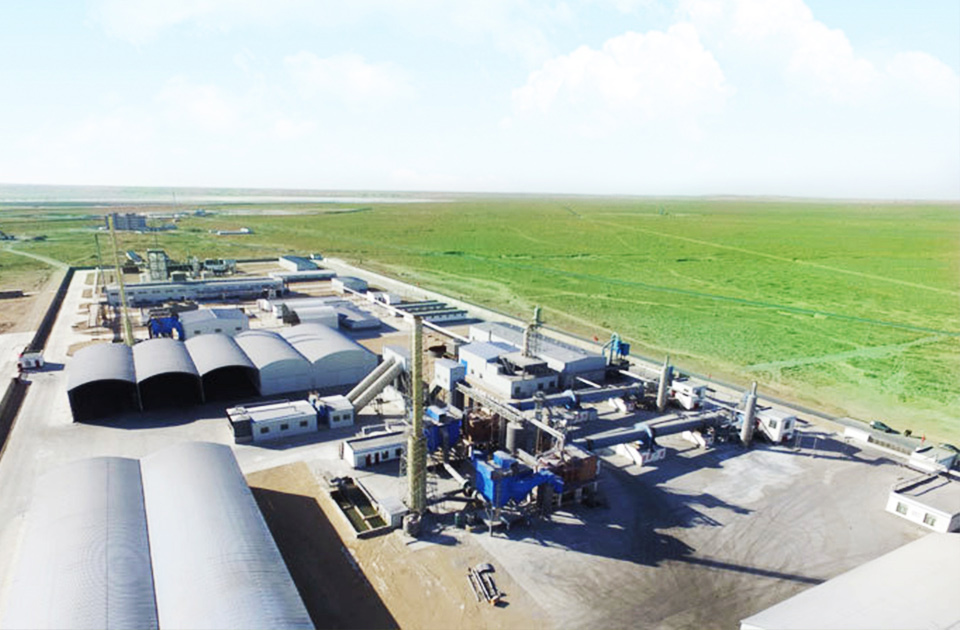
Gansu Nabowang Chemical Products Co., Ltd. manufactures 99.5% DMDS in China, with a minimum order quantity of 1 metric ton.
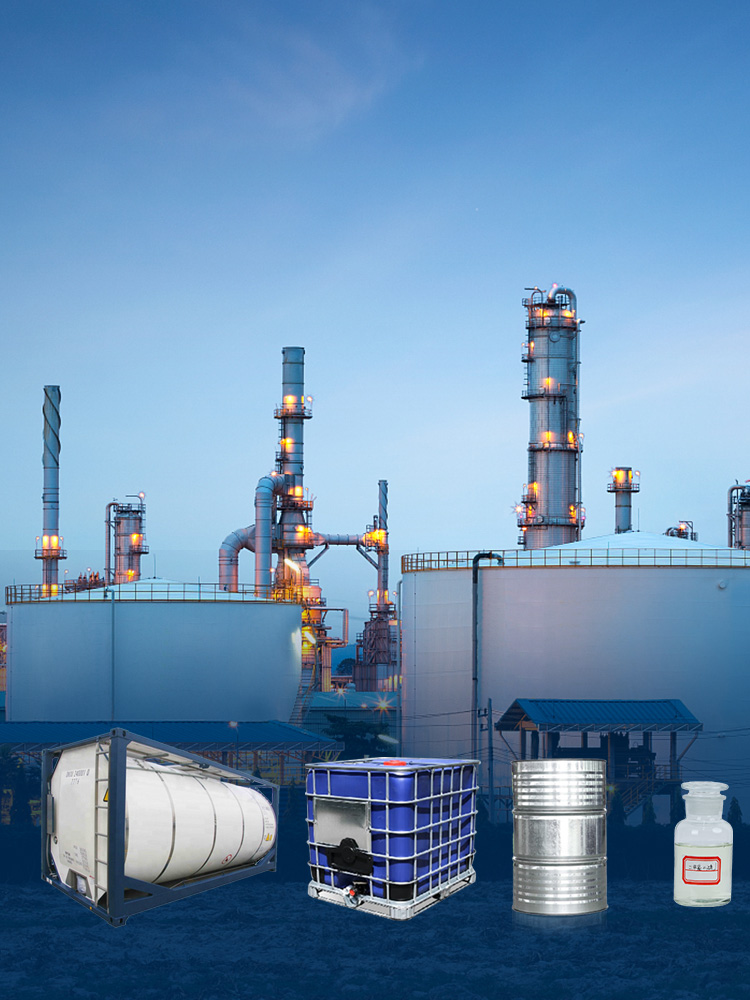
We offer galvanized steel drums, IBC containers and ISO tanks, with shipment arrangements through Tianjin or Qingdao Port. Third-party inspection before shipment is available.
For refinery inquiries, provide your required specification, quantity, packaging preference, destination port and delivery schedule. Product suitability should be confirmed against your catalyst supplier’s requirements before ordering.
DMDS in Propane and Butane Dehydrogenation: Coke Control and Metal Protection
What Is Dimethyl Disulfide (DMDS)?
Related Article