DMDS in Organic Synthesis: Applications in Sulfur-Containing Intermediates
Its suitability depends on the target molecule, reaction route and raw material specification. Published uses include selected carbon–sulfur bond-forming reactions rather than a universal application across all fine chemicals.
What Role Does DMDS Play in Organic Synthesis?
DMDS has the structural formula CH₃–S–S–CH₃ and the CAS number 624-92-0. In suitable reactions, it can provide a methylthio group, written as –SCH₃, for incorporation into another molecule.
This transformation is commonly described as methylthiolation. It introduces a sulfur-containing group into the product structure.
Research also demonstrates that DMDS can behave differently depending on the reaction system. For example, a published study reports its use as a methylthiolate equivalent in the hydromethylthiolation of alkynes. Such findings illustrate why the reaction route determines how DMDS is used.
Examples of DMDS Applications in Organic Synthesis
Preparation of Aryl Methyl Sulfides
One documented application is the synthesis of aryl sulfides through nickel-catalyzed reactions of aryl iodides with disulfides, including DMDS.
For DMDS, the relevant sulfur-containing unit is the methylthio group. This provides a route to selected aromatic compounds containing a carbon–sulfur bond.
Formation of Sulfur-Containing Cyclic Compounds
DMDS is also documented in copper-catalyzed sulfenylation reactions of 2,3-allenoic acids to form sulfur-substituted butenolides.
This example shows that DMDS can participate in reactions that combine sulfur-group introduction with the construction of a more complex molecular structure.
Methylthio-Substituted Alkene Synthesis
Published research describes the use of DMDS in the hydromethylthiolation of alkynes, producing methylthio-substituted alkene products.
This is a specific research application. Its suitability for commercial manufacturing requires separate evaluation of substrate scope, selectivity, purification and scale-up performance.
How Does This Relate to Fine Chemical Intermediates?
An intermediate is a compound used in a later manufacturing step. Whether a DMDS-derived product serves as an intermediate depends on the complete synthesis route.
For procurement purposes, the most useful starting point is the target structure and the validated process. A broad description such as “for pharmaceutical intermediates” or “for agrochemical production” does not establish that DMDS is suitable for a particular product.
Manufacturers should identify the required sulfur-containing building block, establish a workable route and then define the DMDS specification needed for that process.
What Specifications Matter When Selecting DMDS?
A headline purity figure is useful, but it does not fully describe a raw material’s suitability for synthesis.
| Specification or requirement | What buyers should establish |
|---|---|
| DMDS identity and assay | Confirm the substance, minimum purity and analytical method |
| Water content | Set a limit appropriate to the selected reaction |
| Related sulfur compounds | Identify impurities relevant to reaction performance and purification |
| Other trace impurities | Specify any route-dependent limits for metals or other contaminants |
| Batch consistency | Agree acceptance criteria and review batch COA results |
| Packaging | Confirm compatibility, sealing and transfer arrangements |
These are points for specification development, rather than a claim that every synthesis requires the same tests or limits.
A 99.5% DMDS product should be evaluated against the complete raw material specification. The remaining impurity profile may matter as much as the overall assay for a sensitive process.
What Should Be Evaluated Before Commercial Use?
Before adopting a new DMDS source, the process development and quality teams should assess:
-
Whether the material meets the approved specification.
-
Reaction conversion and selectivity using representative material.
-
The impurity profile of the resulting intermediate.
-
Purification requirements and residual starting material.
-
Reproducibility between batches.
-
Handling, waste management and scale-up requirements.
This evaluation connects laboratory performance with manufacturing needs. It also helps buyers compare suppliers using criteria beyond price per metric ton.
DMDS Supply from NBWCHEM
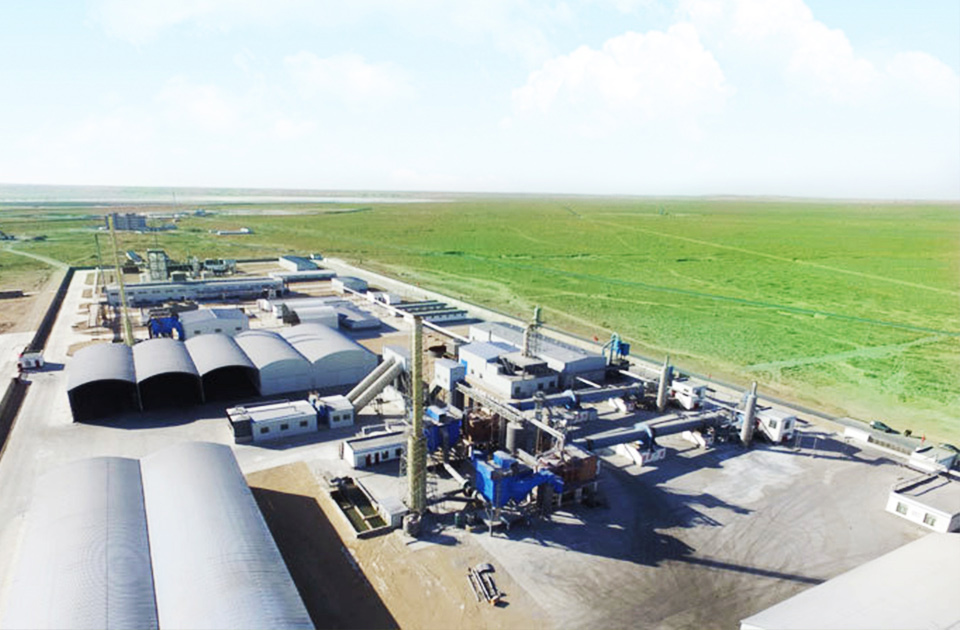
Gansu Nabowang Chemical Products Co., Ltd. manufactures 99.5% dimethyl disulfide (DMDS) in China, with a minimum order quantity of 1 metric ton.
Packaging options include galvanized steel drums, IBC containers and ISO tanks. Shipments can be arranged through Tianjin or Qingdao Port, and third-party inspection before shipment is available.
For organic synthesis inquiries, provide your required assay, impurity limits, test methods, quantity and packaging preference. These details help us assess whether our material meets your purchasing specification.
CONTACT US
DMDS in Steam Cracking: Coke Control and Furnace Tube Passivation
DMDS in Propane and Butane Dehydrogenation: Coke Control and Metal Protection
Related Article