DMDS in Propane and Butane Dehydrogenation: Coke Control and Metal Protection
For plant operators and procurement teams, the key questions are how DMDS contributes to this application and what product requirements should be confirmed before purchasing.
What Are PDH and BDH?
Propane dehydrogenation, commonly called PDH, converts propane into propylene.
Butane dehydrogenation, often abbreviated as BDH, can involve different feedstocks and products. Isobutane dehydrogenation produces isobutylene, while n-butane dehydrogenation can produce n-butenes. These distinctions matter when discussing a plant’s process and chemical requirements.
A purchasing inquiry should therefore identify the actual feedstock, process technology and intended additive application rather than referring only to a general “dehydrogenation unit.”
Why Is Coke Control Important?
At elevated temperatures, hydrocarbons can form carbonaceous deposits known as coke. Deposits in hot process areas can interfere with heat transfer and flow, while carbon-related interactions with equipment materials can contribute to carburization.
Controlling coke formation is therefore relevant to equipment condition and operating continuity. However, coke behavior varies with the process, operating conditions and materials involved.
How Does DMDS Help Control Coke Formation?
In suitable process conditions, DMDS provides sulfur species, including hydrogen sulfide (H₂S), that interact with exposed metal surfaces.
This interaction can passivate surface sites that promote coke formation. The intended effect is to reduce metal-surface-driven coking in the areas covered by the approved treatment strategy.
Here, metal surface protection refers to the application’s role in limiting coking and associated material deterioration. It should not be interpreted as protection against every corrosion mechanism.
DMDS treatment also should not be described as removing existing coke deposits or replacing scheduled decoking and equipment inspection.
Is This the Same as Refinery Catalyst Presulfiding?
The two applications have different objectives.
| Application | Main purpose |
|---|---|
| Hydroprocessing catalyst presulfiding | Supplying sulfur to establish the active sulfide phases of suitable catalysts |
| DMDS treatment in suitable PDH/BDH processes | Supporting coke suppression and metal surface protection |
Although both applications use DMDS as a sulfur source, their process requirements are different. A refinery catalyst activation procedure should not be transferred directly to a dehydrogenation unit.
Can DMDS Be Used in Every Dehydrogenation Unit?
Suitability must be confirmed for the specific installation. The existence of a DMDS application in PDH or BDH does not establish approval for every catalyst, process design or commercial DMDS grade.
Before selecting a product, ask the technology licensor or responsible process team to confirm:
-
Whether DMDS is approved for the intended application.
-
The required product specification and impurity limits.
-
The compatibility requirements for storage and transfer equipment.
-
The applicable operating and monitoring instructions.
Generic published dosage figures should not replace the plant’s approved procedure.
What Should Buyers Check When Sourcing DMDS?
For this application, a purchase specification should cover more than the product name and price.
| Item | Information to request or confirm |
|---|---|
| Product quality | DMDS purity and application-specific impurity limits |
| Batch documentation | Certificate of Analysis and agreed test methods |
| Safety information | Current Safety Data Sheet |
| Product acceptance | Confirmation against the plant’s approved specification |
| Packaging | Container materials, fittings and unloading compatibility |
| Supply planning | Required quantity, delivery schedule and storage capacity |
| Inspection | Any independent pre-shipment testing requirements |
Purity is one part of product qualification. A 99.5% DMDS specification alone does not demonstrate suitability for every PDH or BDH installation.
When comparing suppliers, distinguish chemical supply from on-site technical services. Injection equipment, commissioning assistance and process supervision should be confirmed separately if required.
DMDS Supply from NBWCHEM
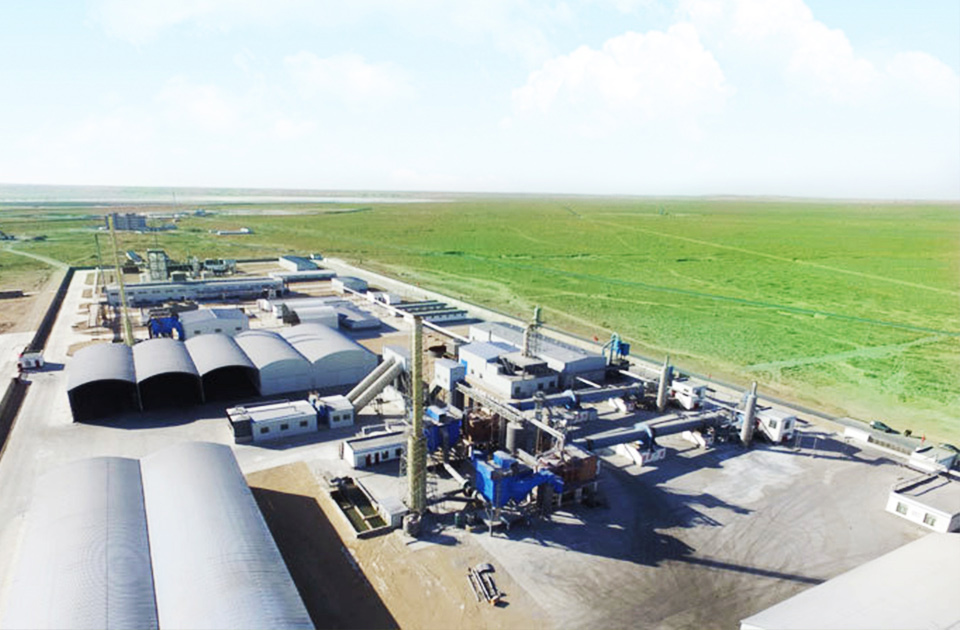
Gansu Nabowang Chemical Products Co., Ltd. manufactures 99.5% dimethyl disulfide (DMDS) in China, with a minimum order quantity of 1 metric ton.
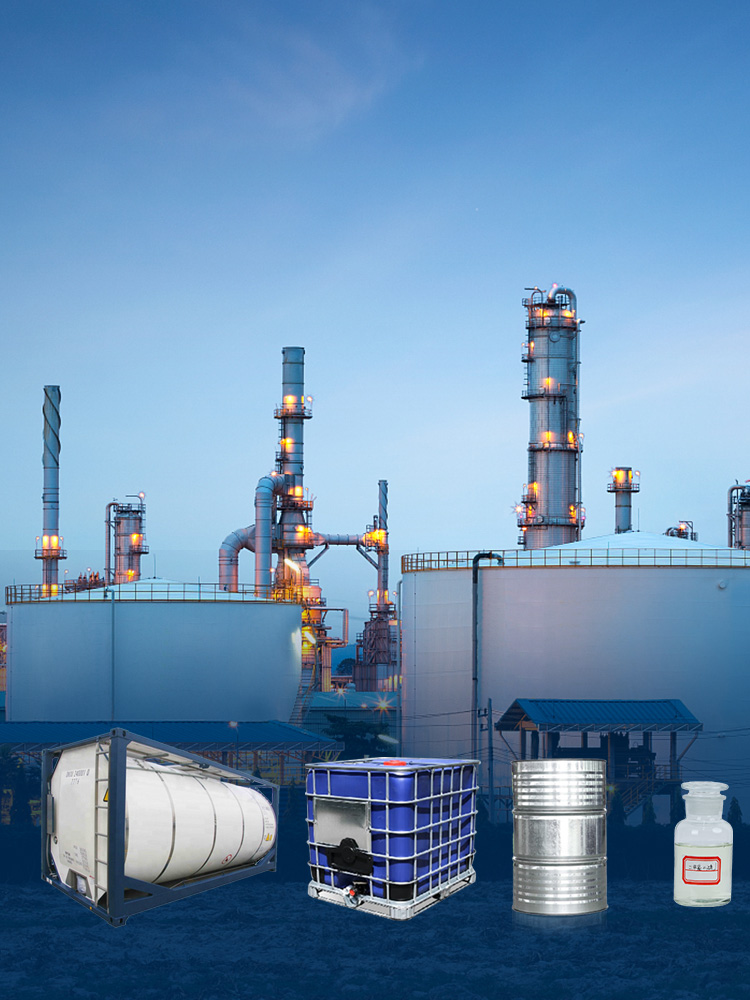
Packaging options include galvanized steel drums, IBC containers and ISO tanks. Shipments can be arranged through Tianjin or Qingdao Port, and third-party inspection before shipment is available.
For a PDH or BDH inquiry, share your approved product specification, required quantity, packaging preference, destination port and delivery schedule. These details allow us to assess the supply requirements and prepare a quotation.
DMDS in Organic Synthesis: Applications in Sulfur-Containing Intermediates
DMDS for Catalyst Presulfiding in Oil Refining
Related Article