

Dimethyl Disulfide,CAS: 624-92-0,DMDS
2022-06-30
GANSU NABOWANG CHEMICAL PRODUCTS CO., LTD
MATERIAL SAFETY DATA SHEET
Section1- Chemical Product and Company Identification
Chinese Name of Chemical Product: 二甲基二硫
English Name of Chemical Product dimethyl disulfide; methyl disulfide;
DMDS
Molecular Formula: C2-H6-S2
Molecular Weight: 94.2
CAS NO. : 624-92-0
Company Name: Gansu Nabo Wang Chemical Products Co., LTD.
Company Address: NO.78-1,Nanhuan East Road,Minqin County,Wuwei
City,Gansu Province,China
Zip: 733399 Company Emergency Telephone: 0532-83889090
Fire Emergency Telephone: 119 Technical Specification Code :182A00328
Section 2 -Hazards Identification
Emergency Overview: Highly flammable liquids and vapors. Swallowing is harmful. May cause allergic skin reactions. Cause serious Eye irritation.
Toxic by inhalation. Can cause respiratory irritation. Extremely toxic to aquatic organisms .There are long-term lasting effects.
Physical and Chemical Hazards: Highly flammable liquid and vapor.
Health hazard: Harmful if swallowed. May cause allergic skin reactions.
Causes serious eye irritation. Toxic if inhaled. Can cause respiratory irritation.
Environmental hazard: Very toxic to aquatic life with long lasting effects.
Section 3- Composition, Information on Ingredients
Dimethyl disulfide
CAS NO:624-92-0
Content: 99.90%
Section 4- First Aid Measures
Skin contact: remove contaminated clothing and rinse with running water. If you feel unwell, seek medical advice.
Eye contact: Lift eyelids and rinse with running water or normal saline. If you feel unwell, seek medical advice.
Inhalation: quickly leave the scene to fresh air. Keep the airway unobstructed. If breathing is difficult, administer oxygen. Respiratory and
cardiac arrest, cardiopulmonary resuscitation immediately. Go to a doctor.
Ingestion: drink enough warm water, vomiting, gastric lavage and diarrhea. Go to a doctor.
Section 5- Physical and Chemical Properties
Appearance and properties: colorless or slightly yellow liquid.
PH value:Not available. Point (℃): -84.7
Boiling point (℃): 109.6 Relative density (water =1): 1.06(16℃)
Relative vapor density (air =1): 3.24 Saturated vapor pressure (kPa): 2.8(20℃)
Critical pressure (MPa): no data Octanol/water distribution coefficient: 1.77
Flash point (℃): 16 Ignition temperature (℃): 300
Lower explosion limit [% (V/V)]: 1.1 Upper explosion limit [% (V/V)]: 16.0
Solubility: insoluble in water, can be mixed with alcohol, ether, etc.
Main application: For organic synthesis.
Section 6- Disposal Considerations
Nature of waste: hazardous waste
Waste disposal method: incineration method is recommended. Sulphur
oxides from the incinerator are removed through scrubbers.
Precautions for abandonment: refer to relevant national and local laws
and regulations before disposal.
Section 7- Transport Information
United Nations Dangerous goods No. 2381
United Nations transport name: dimethyl disulfide
Packing category: Class II packing
United Nations hazard classification: 3/6.1
Hazard label: Flammable liquid, toxic substance
Marine pollutants: Yes .
Properties and production methods of dimethyl disulfide(dmds)
Catalytic process of dimethyl disulfide(DMDS)
Related Article

Economic cycle analysis of Dimethyl disulfide;Composition of Dimethyl disulfide industrial chain;Overview of application fields of Dimethyl disulfide
2023 Dimethyl disulfide(DMDS) market research report
On June 10, 2025, led personally by the CEO of our company, the Sales Director, Production Manager, and Export Manager accompanied throughout the process, warmly receiving the Middle Eastern customers who traveled from afar.
Welcome to Middle Eastern customers for visiting our factory.
On June 19-21, 2024, Gansu Nabowang Chemical Products Co., Ltd. was honored engaged and participated in CHPI CHINA 2024 at the Shanghai New International Convention and Exhibition Center.
Warmly Celebrate the Complete Success of CPHI China 2024
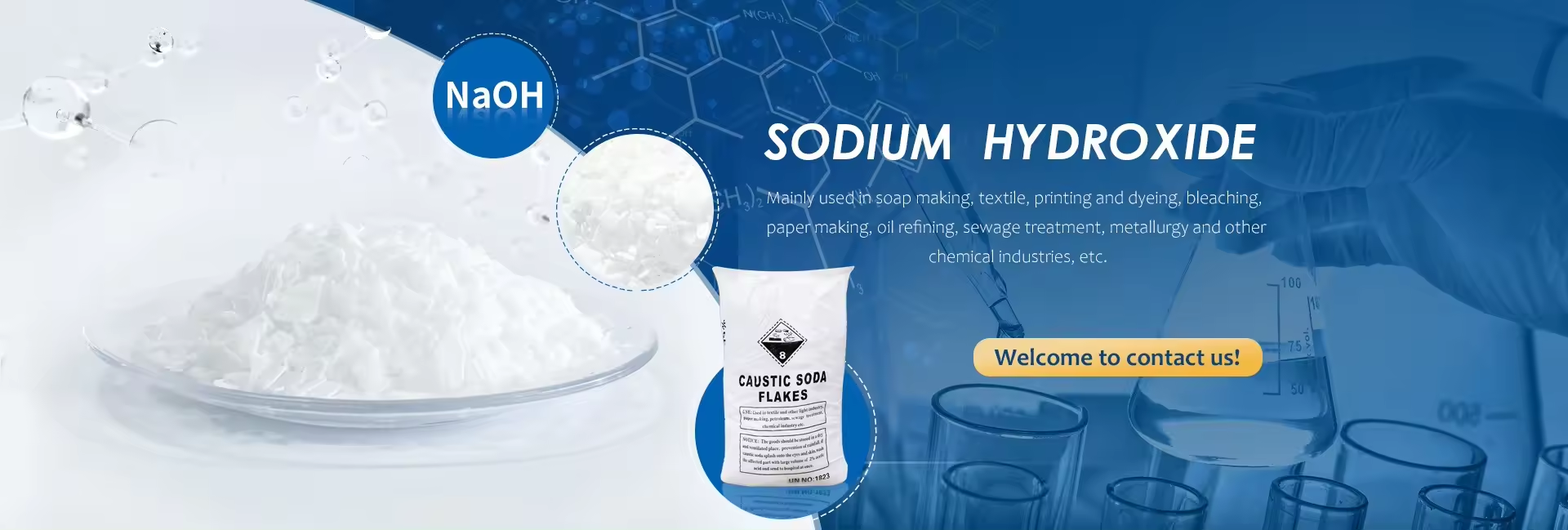
Introduction to Sodium Hydroxide (H1)
Applications of Sodium Hydroxide (H2)
Industrial Uses (H3)
Household Uses (H3)
Safety Measures for Handling Sodium Hydroxide (H2)
Protective Gear (H3)
Storage Guidelines (H3)
Environmental Impact of Sodium Hydroxide (H2)
Alternatives to Sodium Hydroxide (H2)
Conclusion (H1)
Applications of Sodium Hydroxide (H2)
Industrial Uses (H3)
Household Uses (H3)
Safety Measures for Handling Sodium Hydroxide (H2)
Protective Gear (H3)
Storage Guidelines (H3)
Environmental Impact of Sodium Hydroxide (H2)
Alternatives to Sodium Hydroxide (H2)
Conclusion (H1)
Exploring the World of Sodium Hydroxide