
Safety of dimethyl disulfide(DMDS)
2023-02-24
Dimethyl disulfide, abbreviated as DMDS, known as dimethyl disulfide ether. It is a colorless liquid with a strong pungent odor. Its chemical formula is (CH3) 2S2.
Applications:
1.Used as solvent and pesticide intermediate;
2.Widely used as activator in hydrodesulfurization, hydrotreating and presulfurization of naphtha, gasoline, kerosene, diesel oil and atmospheric heavy oil in petroleum refining industry.
3.In pesticide, it is used to produce fenthion.
1.Used as solvent and pesticide intermediate;
2.Widely used as activator in hydrodesulfurization, hydrotreating and presulfurization of naphtha, gasoline, kerosene, diesel oil and atmospheric heavy oil in petroleum refining industry.
3.In pesticide, it is used to produce fenthion.
Safety Considerations
Prevention:
Keep away from heat, hot surfaces, sparks, open flames and other ignition sources. No smoking. Keep container tightly closed. Ground/Bond container and receiving equipment. Use explosion-proof [electrical/ventilating/lighting/...] equipment. Use only non-sparking tools. Take precautionary measures against static discharge. Wear protective gloves/protective clothing/eye protection/face protection/hearing protection. Wash …thoroughly after handling. Do not eat, drink or smoke when using this product. Do not breathing dust/fume/gas/mist/vapors/spray. Use only outdoors or in a well-ventilated area. Avoid release to the environment.
Response:
In case of fire: Use water spray, foam or dry powder to extinguish. If swallowed: Immediately call a poison center/doctor. Specific treatment (see safety data sheet). Rinse mouth. If on skin (or hair): Take off immediately all contaminated clothing. Rinse skin with water/shower. If skin irritation occurs: Get medical advice/attention. If inhaled: Remove person to fresh air and keep comfortable for breathing. Call a poison center/doctor. Specific treatment (see safety data sheet). If in eyes: Rinse cautiously with water for several minutes. Remove contact lenses, if present and easy to do. Continue rinsing. If eye irritation persists: Get medical advice/attention. If exposed or concerned: Call a poison center/doctor. Specific treatment (see safety data sheet). Get medical advice/attention if you feel unwell. Collect spillage.
Prevention:
Keep away from heat, hot surfaces, sparks, open flames and other ignition sources. No smoking. Keep container tightly closed. Ground/Bond container and receiving equipment. Use explosion-proof [electrical/ventilating/lighting/...] equipment. Use only non-sparking tools. Take precautionary measures against static discharge. Wear protective gloves/protective clothing/eye protection/face protection/hearing protection. Wash …thoroughly after handling. Do not eat, drink or smoke when using this product. Do not breathing dust/fume/gas/mist/vapors/spray. Use only outdoors or in a well-ventilated area. Avoid release to the environment.
Response:
In case of fire: Use water spray, foam or dry powder to extinguish. If swallowed: Immediately call a poison center/doctor. Specific treatment (see safety data sheet). Rinse mouth. If on skin (or hair): Take off immediately all contaminated clothing. Rinse skin with water/shower. If skin irritation occurs: Get medical advice/attention. If inhaled: Remove person to fresh air and keep comfortable for breathing. Call a poison center/doctor. Specific treatment (see safety data sheet). If in eyes: Rinse cautiously with water for several minutes. Remove contact lenses, if present and easy to do. Continue rinsing. If eye irritation persists: Get medical advice/attention. If exposed or concerned: Call a poison center/doctor. Specific treatment (see safety data sheet). Get medical advice/attention if you feel unwell. Collect spillage.
Storage:
Store in a well-ventilated place. Keep cool. Store locked up. Keep container tightly closed.
Store in a well-ventilated place. Keep cool. Store locked up. Keep container tightly closed.
Disposal:
Dispose of contents/container in accordance with local/regional/national/international regulations.
Dispose of contents/container in accordance with local/regional/national/international regulations.
Conclusion
Dimethyl disulfide(DMDS) is a useful chemical in the petrochemical, agricultural, and food industries, but it can be hazardous if not handled properly. Proper safety precautions should be taken to ensure the safe handling and use of Dimethyl disulfide.
Dimethyl disulfide(DMDS) is a useful chemical in the petrochemical, agricultural, and food industries, but it can be hazardous if not handled properly. Proper safety precautions should be taken to ensure the safe handling and use of Dimethyl disulfide.

Effect of sodium sulfide solution on coating and treatment measures
Welcome Customer To Visit Our Company - Dimethyl Disulfide (DMDS)
Related Article

Economic cycle analysis of Dimethyl disulfide;Composition of Dimethyl disulfide industrial chain;Overview of application fields of Dimethyl disulfide
2023 Dimethyl disulfide(DMDS) market research report

On June 10, 2025, led personally by the CEO of our company, the Sales Director, Production Manager, and Export Manager accompanied throughout the process, warmly receiving the Middle Eastern customers who traveled from afar.
Welcome to Middle Eastern customers for visiting our factory.

On June 19-21, 2024, Gansu Nabowang Chemical Products Co., Ltd. was honored engaged and participated in CHPI CHINA 2024 at the Shanghai New International Convention and Exhibition Center.
Warmly Celebrate the Complete Success of CPHI China 2024
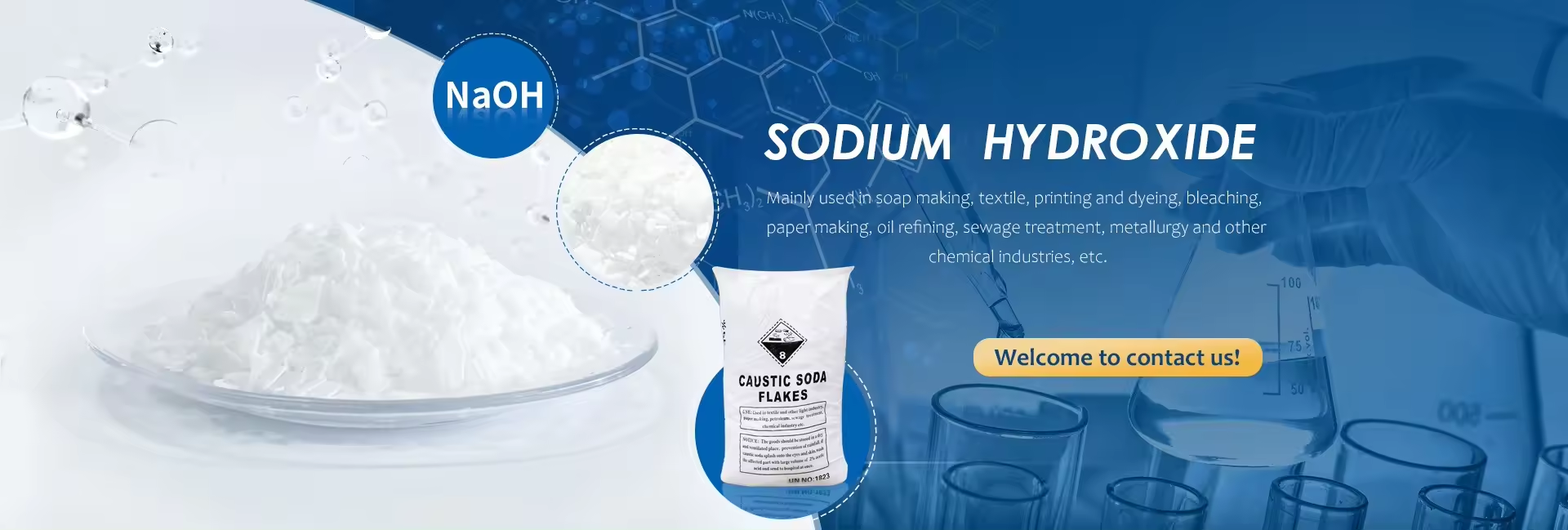
Introduction to Sodium Hydroxide (H1)
Applications of Sodium Hydroxide (H2)
Industrial Uses (H3)
Household Uses (H3)
Safety Measures for Handling Sodium Hydroxide (H2)
Protective Gear (H3)
Storage Guidelines (H3)
Environmental Impact of Sodium Hydroxide (H2)
Alternatives to Sodium Hydroxide (H2)
Conclusion (H1)
Applications of Sodium Hydroxide (H2)
Industrial Uses (H3)
Household Uses (H3)
Safety Measures for Handling Sodium Hydroxide (H2)
Protective Gear (H3)
Storage Guidelines (H3)
Environmental Impact of Sodium Hydroxide (H2)
Alternatives to Sodium Hydroxide (H2)
Conclusion (H1)
Exploring the World of Sodium Hydroxide