
Related Article

Economic cycle analysis of Dimethyl disulfide;Composition of Dimethyl disulfide industrial chain;Overview of application fields of Dimethyl disulfide
2023 Dimethyl disulfide(DMDS) market research report

On June 10, 2025, led personally by the CEO of our company, the Sales Director, Production Manager, and Export Manager accompanied throughout the process, warmly receiving the Middle Eastern customers who traveled from afar.
Welcome to Middle Eastern customers for visiting our factory.

On June 19-21, 2024, Gansu Nabowang Chemical Products Co., Ltd. was honored engaged and participated in CHPI CHINA 2024 at the Shanghai New International Convention and Exhibition Center.
Warmly Celebrate the Complete Success of CPHI China 2024
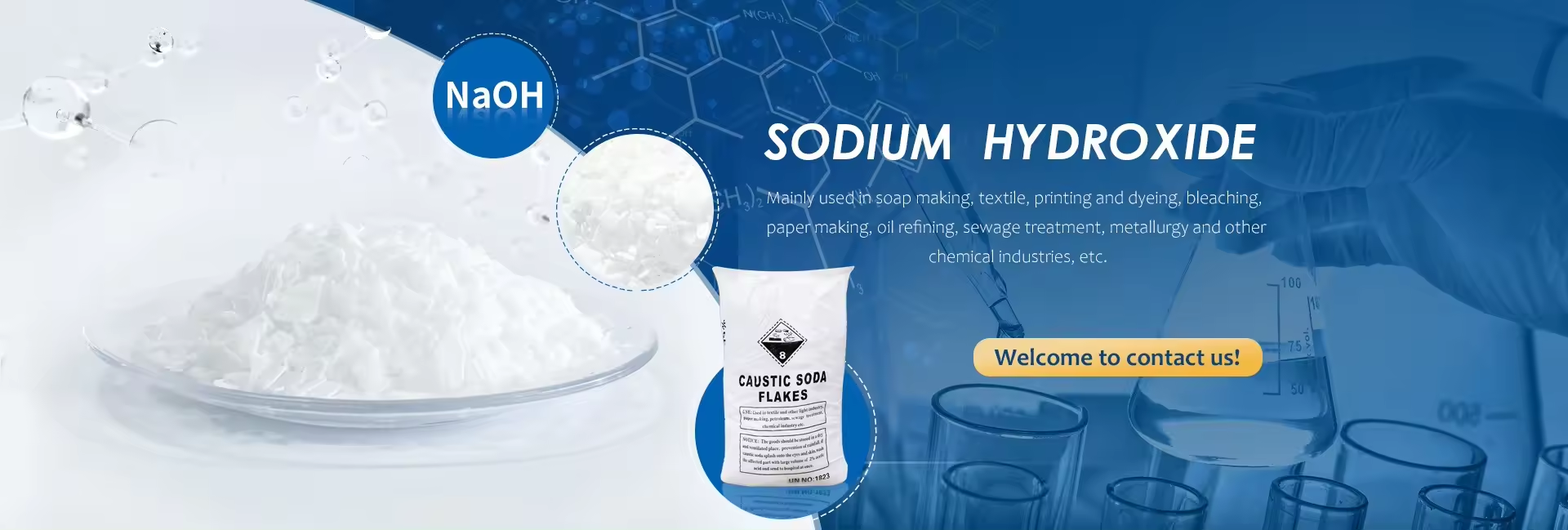
Introduction to Sodium Hydroxide (H1)
Applications of Sodium Hydroxide (H2)
Industrial Uses (H3)
Household Uses (H3)
Safety Measures for Handling Sodium Hydroxide (H2)
Protective Gear (H3)
Storage Guidelines (H3)
Environmental Impact of Sodium Hydroxide (H2)
Alternatives to Sodium Hydroxide (H2)
Conclusion (H1)
Applications of Sodium Hydroxide (H2)
Industrial Uses (H3)
Household Uses (H3)
Safety Measures for Handling Sodium Hydroxide (H2)
Protective Gear (H3)
Storage Guidelines (H3)
Environmental Impact of Sodium Hydroxide (H2)
Alternatives to Sodium Hydroxide (H2)
Conclusion (H1)
Exploring the World of Sodium Hydroxide