Sodium Sulfide in Leather Processing: Its Role in Unhairing, Liming and Leather Quality
For tanneries, successful use involves more than achieving complete hair removal. The process must also preserve the grain surface, maintain consistent pelt quality and keep sulfide-containing wastewater under control.
This article explains how sodium sulfide works, why it is commonly combined with lime, and how to evaluate a suitable product for tannery use.
1. Where Is Sodium Sulfide Used in Leather Manufacturing?
Sodium sulfide is mainly used in the beamhouse, where raw hides and skins are prepared for tanning.
In a typical process, hides undergo soaking before unhairing and liming. Further preparation includes operations such as fleshing, deliming and bating, followed by the appropriate tanning process. The precise sequence varies with the raw material and tannery system.
Sodium sulfide’s principal role is in unhairing, also called dehairing. It is a preparation chemical rather than the tanning agent responsible for stabilizing the hide into leather.
This distinction matters when evaluating performance: sodium sulfide should be assessed by its contribution to clean, consistent pelts, rather than credited directly with all the properties of finished leather. The European Commission’s tannery reference document describes unhairing and liming as part of the preparatory manufacturing stages.
2. How Does Sodium Sulfide Remove Hair?
Its Action on Keratin
Hair contains keratin, a protein whose structure is reinforced by disulfide bonds. These bonds help give hair its resistance to physical and chemical damage.
In an alkaline unhairing liquor, sulfide species attack these disulfide linkages. This weakens keratin-containing structures in the hair and epidermis, allowing their removal from the hide.
Depending on the process design, the treatment may substantially break down the hair or release it while preserving much of the hair shaft. Research on unhairing chemistry identifies the disruption of keratin disulfide bonds as a central mechanism in conventional sulfide-based hair removal.
Why the Collagen Must Be Preserved
The useful structural material in a hide is its collagen network. The objective is to remove unwanted hair and epidermal material while preserving that network and the grain surface.
Successful unhairing is therefore a controlled, selective operation. A batch that is completely hair-free but has damaged grain is not a successful result.
For production evaluation, tanneries should examine both hair removal and pelt condition, then follow the material through later processing to check whether any defects become more visible.
3. Why Are Sodium Sulfide and Lime Used Together?
Sodium sulfide and lime perform related but different functions in conventional unhairing and liming.
| Chemical | Main contribution |
|---|---|
| Sodium sulfide | Provides sulfide species that act on keratin and support hair removal |
| Lime | Provides alkaline conditions and contributes to swelling and opening of the hide structure |
| Other process auxiliaries, where used | Support wetting, penetration, controlled cleaning or other requirements of the selected system |
The overall result depends on the balance between these actions. Changing sodium sulfide without reviewing the rest of the formulation can alter the behavior of the entire process.
Sodium sulfide should consequently be evaluated as one component of the tannery’s unhairing system. It does not replace the separate functions of soaking, liming, deliming or bating.
4. Hair-Burning and Hair-Saving: Two Different Approaches
Hair-Burning Unhairing
In hair-burning systems, much of the hair is chemically broken down and enters the spent liquor as degraded material.
“Hair burning” is an industry term for chemical destruction of hair; it does not refer to combustion.
One consequence is that dissolved and degraded hair contributes to the organic load of the wastewater. Removing coarse solids later cannot recover all the material that has already dissolved.
Hair-Saving Unhairing
Hair-saving systems aim to release the hair while retaining much of its structure, allowing it to be screened or filtered out.
Some approaches include a controlled alkaline treatment that makes the hair shaft more resistant to subsequent sulfide attack. Hair release and timely separation are then coordinated to limit further degradation.
UNIDO identifies hair-saving as a way to reduce the wastewater pollution associated with dissolving hair during unhairing. Its practical value depends on suitable equipment, process control and an appropriate outlet or disposal route for the recovered hair.
| Comparison | Hair-burning system | Hair-saving system |
|---|---|---|
| Main objective | Break down hair for removal | Release and recover substantially intact hair |
| Hair in spent liquor | More degraded or dissolved material | More recoverable solid hair |
| Equipment consideration | Handling of hair breakdown products | Effective hair screening or filtration |
| Environmental consideration | Organic load from dissolved hair | Management of recovered hair and remaining effluent |
| Evaluation priority | Clean unhairing with acceptable pelt condition | Clean unhairing, effective hair recovery and acceptable pelt condition |
Hair-saving does not automatically mean sulfide-free. Sulfide can remain part of the process, and the resulting liquor still requires appropriate treatment.
5. What Results Should a Tannery Expect?
Clean Hair Removal
The primary target is consistent removal across the hide, including areas that differ in thickness and hair characteristics.
A useful assessment checks for remaining hair, roots and scud rather than relying only on a quick visual inspection of the largest surface area.
A Suitable Grain Surface
The grain should be inspected for cleanliness and damage. Comparison against an established production baseline helps determine whether a new chemical batch or grade is performing acceptably.
Repeatable Processing
For purchasing purposes, consistency can be more valuable than an isolated successful trial. Buyers should compare repeated batches, recording raw hide conditions and process variables alongside chemical analysis.
Acceptable Performance After Tanning
Some effects become clearer after tanning, drying or finishing. A meaningful trial should therefore follow the leather far enough to evaluate the requirements of its intended use.
Suggested evaluation criteria include grain appearance, color consistency, usable area and the physical tests specified by the customer.
These are recommended evaluation points, not guaranteed improvements from changing sodium sulfide. Finished leather performance depends on the full production process.
6. What Affects Unhairing Performance?
An unsuitable product grade is only one possible explanation for inconsistent results. A practical investigation should consider the following factors together.
| Factor to review | Why it belongs in the assessment |
|---|---|
| Hide type and condition | Different raw materials may require different processing approaches |
| Soaking performance | Uneven preparation can complicate later chemical treatment |
| Na₂S content | Determines how much active material is supplied by a given product weight |
| Alkalinity and pH history | Help explain the chemical conditions throughout treatment |
| Temperature and treatment time | Help identify changes in exposure between batches |
| Float ratio and mechanical action | Affect the conditions under which chemicals contact the hides |
| Chemical addition sequence | Particularly relevant when comparing different unhairing systems |
| Hair separation | Important when evaluating a hair-saving process |
| Storage condition of the chemical | Damaged packaging or deterioration may justify retesting |
When a problem occurs, review the production record before simply increasing sodium sulfide consumption.
The right question is: Which part of the system changed, and what evidence links that change to the result?
7. Yellow or Red Sodium Sulfide Flakes: Which Should Tanneries Choose?
NBWCHEM supplies both yellow and red sodium sulfide flakes. Selection should be based on the agreed specification and tannery trials.
Color alone does not establish active content, impurity limits or suitability for a particular leather.
Before approving either product, buyers should request a batch Certificate of Analysis and compare the following:
| Parameter | Purchasing relevance |
|---|---|
| Sodium sulfide content, expressed as Na₂S | Basis for comparing active material and chemical cost |
| Iron content | Useful to control when investigating contamination or discoloration concerns |
| Water-insoluble matter | Relevant to residue assessment and solution preparation |
| Other specified impurities | Should be reviewed against the tannery’s accepted specification |
| Physical condition | Check for abnormal caking, contamination or damaged packaging |
| Batch identification | Supports traceability and investigation of inconsistent results |
A low-iron specification may be worth evaluating where appearance requirements are demanding. However, neither a yellow appearance nor a “low-iron” label guarantees better finished leather.
The appropriate decision is to compare documented grades under controlled trial conditions and assess both processing results and finished material.
8. How Should Sodium Sulfide Consumption and Cost Be Compared?
Compare Active Content, Not Only Product Weight
Commercial flakes contain a specified proportion of Na₂S. A nominal 60% product is not equivalent, kilogram for kilogram, to pure anhydrous sodium sulfide.
For purchasing comparison:
Cost per metric ton of contained Na₂S = Price per metric ton of product ÷ Na₂S mass fraction
For example, a hypothetical product priced at USD 450 per metric ton with 60% Na₂S has a contained-Na₂S cost of:
450 ÷ 0.60 = USD 750 per metric ton of contained Na₂S
This calculation is a comparison tool, not a tannery dosing recommendation. It also excludes freight, handling losses, other chemicals and wastewater treatment.
Evaluate Total Processing Cost
A useful trial should compare:
-
Chemical cost per unit of hide processed.
-
Actual consumption under the approved formulation.
-
Reprocessing or additional cleaning requirements.
-
Saleable leather quality and rejection rates.
-
Wastewater treatment and solid-waste handling costs.
There is no universal sodium sulfide dosage suitable for every hide, drum and unhairing method. The tannery’s technical team should establish the formulation and validate any change.
9. Common Problems: What Should Be Investigated?
The following table is an investigation guide rather than a diagnosis.
| Observation | Suggested checks |
|---|---|
| Remaining hair or roots | Soaking quality, hide variability, chemical assay, addition records and treatment conditions |
| Inconsistent results between batches | Raw material changes, product COA, storage history and process records |
| Poor grain appearance | Initial hide condition and the combined chemical, mechanical and time-temperature history |
| Unexpected residue | Product insolubles, contamination and the approved solution-preparation procedure |
| Discoloration | Chemical impurities, water quality, equipment contamination and later processing stages |
| High sulfide load in effluent | Chemical input, residual sulfide measurements, stream separation and treatment performance |
Repeatedly adding more chemical can obscure the underlying cause. Where possible, compare a retained product sample and a documented reference batch before making a permanent change.
10. Sodium Sulfide and Tannery Wastewater
Sulfide use must be considered alongside the organic material released during unhairing. Reducing one source of pollution does not necessarily resolve the others.
Recover Hair Before It Breaks Down
Where hair-saving is suitable, timely screening helps remove hair as a solid rather than allowing it to become additional dissolved organic matter.
Manage Sulfide-Bearing Streams
Sulfide-containing beamhouse liquors need controlled collection and treatment. They should not be mixed indiscriminately with acidic streams.
Treat Residual Sulfide
Engineered treatment systems may use controlled sulfide oxidation, together with solids removal and other treatment stages. Treatment design and operating conditions must reflect the actual effluent composition.
European tannery BAT guidance discusses hair-saving, reduced inorganic sulfide use and dedicated sulfide management among the available approaches to reducing environmental impacts. These are process-specific measures, not evidence that any particular product is inherently “pollution-free.”
11. Can Enzymes Reduce Sodium Sulfide Use?
In suitable systems, enzyme-assisted unhairing can reduce dependence on conventional sulfide-lime treatment.
However, enzyme selection and control matter. Research published in the Journal of the American Leather Chemists Association found that poorly controlled protease action can contribute to grain damage or loose grain. The same study demonstrated an enzyme-assisted low-sulfide approach with effective hair removal and reduced effluent loads under its tested conditions.
The practical implication is that a lower-sulfide process should be evaluated as a complete formulation change. It should not be assumed that simply adding an enzyme to an existing recipe will reproduce a published result.
12. Hydrogen Sulfide Safety in Tanneries
A major hazard is the release of hydrogen sulfide gas, H₂S, particularly when sulfide-bearing material contacts acids or encounters conditions that promote gas release.
Potential risk locations include process vessels, wastewater collection areas, pits and treatment equipment. UNIDO specifically addresses this hazard in its guidance for tanneries and effluent treatment plants.
Facilities need compatible chemical storage, controlled wastewater routing, suitable ventilation, gas monitoring and trained emergency response. An affected pit or tank must not be entered for an unprotected rescue.
Odor must never be used as proof of safety. Hydrogen sulfide can impair the sense of smell, so an apparent disappearance of the smell does not demonstrate that the gas has gone.
13. Buying Sodium Sulfide for Leather Processing
A useful inquiry should explain the tannery’s requirements as well as the desired quantity.
Provide the hide type, whether the process is hair-burning or hair-saving, the current accepted Na₂S specification, impurity limits and packaging preference. If an existing problem is being investigated, describe the observation and provide the relevant batch information.
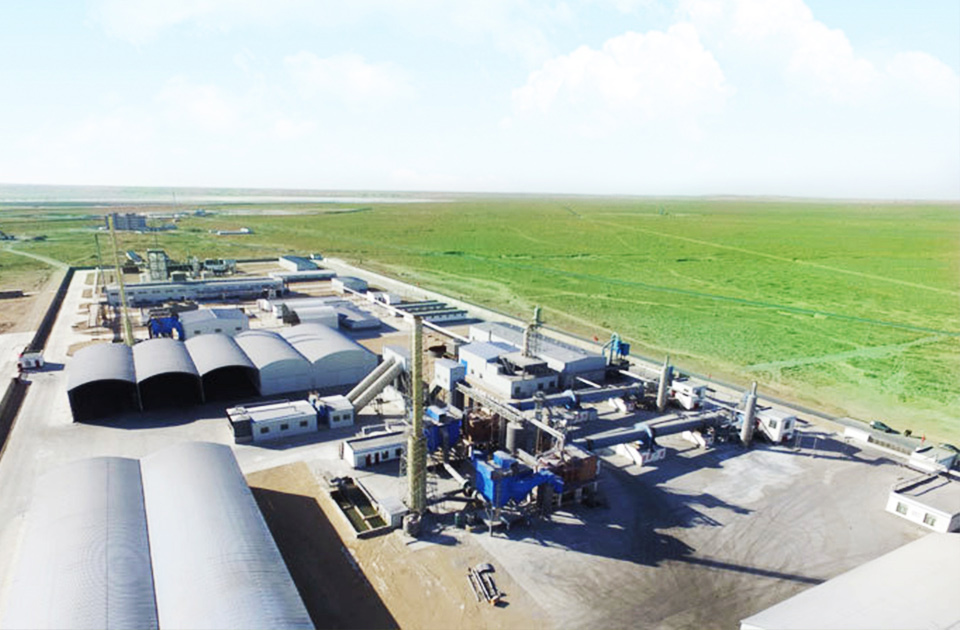
Gansu Nabowang Chemical Products Co., Ltd. (NBWCHEM) manufactures sodium sulfide in Gansu, China, and supplies yellow and red flakes for industrial applications.
Our minimum order quantity is 1 metric ton. Third-party inspection can be arranged before shipment, and export documentation can include customs declarations and certificates of origin.
For tannery purchasing, we recommend agreeing on the product specification and completing a suitable trial before introducing a new grade into routine production.
Send us your required Na₂S content, impurity limits, order quantity and destination to discuss suitable supply options.
Related Article