Sodium Sulfide in Textile Dyeing: How It Works in Sulfur Dyeing
Its value lies in enabling this change in dye chemistry. However, successful dyeing also depends on fabric preparation, reduction conditions, dye circulation, oxidation and washing.
For textile manufacturers, understanding these relationships helps explain why two batches using the same dye and sodium sulfide can still produce different shades or fastness results.
1. Where Is Sodium Sulfide Used in Textile Dyeing?
The main application discussed here is sulfur dyeing of cotton and other suitable cellulosic materials.
Sulfur dyes are used for a range of colors, with black and other deep shades being familiar industrial applications. They can be used in selected yarn, fabric and denim processes, depending on the dye formulation and equipment.
Sodium sulfide does not provide the textile’s color. The sulfur dye provides the color, while sodium sulfide helps establish the chemical conditions required to apply it.
Dye manufacturers distinguish between conventional sulfur dyes and modified or ready-to-use products. Consequently, the reducing system must be selected for the specific commercial dye rather than assumed from the term “sulfur dye” alone.
2. Why Do Sulfur Dyes Need Reduction?
The Solubility Problem
Many conventional sulfur dyes are poorly soluble in water in their oxidized form. Simply dispersing them in water does not make them suitable for effective penetration into cotton.
Reduction changes the dye into a more soluble form, commonly called the leuco form.
This reduced dye can be adsorbed by the fiber and diffuse into it. After dyeing, oxidation develops the less soluble form within the material.
Research on sulfur dyeing identifies the production of soluble leuco dye as the central purpose of the reducing agent.
How Sodium Sulfide Contributes
In water, sodium sulfide forms an alkaline sulfide-containing system. Sulfide species participate in reducing sulfur linkages in suitable dyes, while the alkaline environment supports the solubility of the reduced dye.
The resulting behavior depends on the dye’s structure and formulation. Sulfur dyes are not all identical compounds, so a single reaction equation cannot fully describe every commercial product.
Research describing conventional sulfur dye reduction explains the linked roles of sulfide chemistry and alkalinity in producing the soluble reduced dye.
3. Reduction, Dye Uptake and Oxidation: Three Different Functions
These stages must work together, but each has a separate purpose.
| Stage | Main purpose | What the mill needs to evaluate |
|---|---|---|
| Reduction | Establish a suitable soluble dye form | Reduction state, solution condition and stability |
| Dye uptake | Transfer the reduced dye into the textile | Shade development, penetration and levelness |
| Oxidation | Develop the less soluble dye form after uptake | Final shade and consistency |
| Washing and aftertreatment | Remove loose material and meet performance requirements | Rubbing, washing and other specified fastness results |
Sodium sulfide mainly supports the reduction stage and the maintenance of suitable reducing conditions during dye application.
It should not be described as a universal fixing agent. In conventional sulfur dyeing, color retention involves the dye’s return to a less soluble form and its physical association within the fiber. This differs from the covalent dye–fiber bonding associated with reactive dyes.
4. Does More Sodium Sulfide Produce a Deeper Shade?
Not necessarily.
The goal is to obtain a suitable reduction state for the selected dye. Adding more reducing agent is not a reliable way to increase color yield.
Too little effective reduction can leave an unsuitable proportion of dye available for application. Excessive reduction can also change the dye species and their behavior.
Research on sulfur dyeing has shown that the reduction conditions influence the balance between dye solubility, fiber affinity, diffusion and subsequent wash fastness. The appropriate condition is therefore dye-specific.
For a mill investigating a weak shade, the review should include:
-
Whether the correct dye strength and quantity were used.
-
Whether the textile was prepared consistently.
-
Whether the intended reduction conditions were achieved.
-
Whether circulation and contact were uniform.
-
Whether oxidation and washing changed the final shade.
Increasing sodium sulfide before checking these factors may add cost without resolving the problem.
5. Why pH and Reduction Potential Both Matter
pH describes acidity or alkalinity. Reduction potential describes the oxidation–reduction condition of the bath. They are not interchangeable measurements.
A bath can be alkaline without having the appropriate reducing conditions for a particular sulfur dye.
For process comparison, it is useful to record both measurements alongside temperature, timing and chemical additions. When comparing oxidation–reduction potential readings, the mill should also document the electrode system and measurement conditions.
A single published millivolt value should not be treated as a universal target for all sulfur dyes. The dye supplier’s technical guidance and validated production trials should establish the working conditions.
This distinction is particularly useful when troubleshooting batches that have similar pH readings but different shade development.
6. Why Oxidation and Washing Are Just as Important
Oxidation Develops the Final Dye Form
Reduction makes dye application possible; oxidation develops the less soluble form after uptake.
The oxidizing system must be appropriate for the dye. Dye manufacturers offer specific oxidation auxiliaries because different formulations and equipment can require different approaches.
The final shade should therefore be judged after the complete approved process, rather than from the appearance of the reducing bath or the wet fabric immediately after dyeing.
Washing Removes Material That Should Not Remain on the Surface
A satisfactory dark shade does not automatically indicate satisfactory fastness.
The mill should evaluate washing and aftertreatment together with reduction and oxidation. Surface-associated color, remaining process chemicals and the selected finishing system can all be relevant to the final assessment.
For a new chemical grade, compare finished samples under the same washing, drying and conditioning procedure. Otherwise, differences attributed to sodium sulfide may actually arise later in the process.
7. How Does Sodium Sulfide Affect Color Fastness?
Sodium sulfide helps create the conditions for applying the dye, but it does not independently determine the finished textile’s fastness.
A useful evaluation separates the following properties:
| Property | What it tells the buyer |
|---|---|
| Washing fastness | How the color changes or stains adjacent materials during the specified wash test |
| Dry rubbing fastness | How much color transfers through dry rubbing |
| Wet rubbing fastness | How much color transfers through wet rubbing |
| Light fastness | How the shade resists the specified light exposure |
| Resistance to oxidative washing | How the dyeing performs when exposed to the intended bleaching or laundering system |
Some sulfur dyeings are vulnerable to oxidative bleaching conditions. A fabric that performs acceptably in one laundering test may not meet a different test involving stronger oxidation.
Research on sulfur-dyed cotton has examined aftertreatments specifically because washing, rubbing and light-fastness performance depend on more than the initial dye application.
Purchasing specifications should state the required test method and acceptance level, rather than relying on a general claim of “excellent color fastness.”
8. What Is Sulfur-Dye Tendering?
Tendering means a loss of textile strength. It is a recognized concern in some sulfur dyeings, particularly certain sulfur-black systems.
Sulfur-related residues and dye chemistry can contribute to acidic conditions during aging, potentially damaging cellulose. A fabric may initially look acceptable while developing strength loss during subsequent storage.
A patent describing low-inorganic-sulfide sulfur dye formulations identifies reduced cotton tendering among the intended benefits of controlling the formulation’s sulfide content. This supports treating residual chemistry as a quality consideration, although it does not establish a universal cause or remedy for every fabric.
When investigating strength loss, mills should assess the full process:
-
Fabric strength before dyeing.
-
Dye selection and formulation.
-
Reduction and oxidation history.
-
Washing and residual chemical control.
-
Finishing conditions.
-
Storage temperature and humidity.
The appropriate quality check may include strength testing after an agreed aging procedure. Initial shade approval alone cannot establish long-term fabric performance.
9. Which Sodium Sulfide Grade Should Textile Mills Choose?
Compare Specifications Before Color
NBWCHEM supplies yellow and red sodium sulfide flakes. These visual descriptions help identify the products, but they do not replace a chemical specification.
For textile purchasing, compare:
| Parameter | Why it is useful |
|---|---|
| Na₂S content | Establishes the amount of active material supplied per unit of product |
| Iron content | Helps control an impurity where contamination or shade consistency is a concern |
| Water-insoluble matter | Helps evaluate potential residue during chemical preparation |
| Other agreed impurities | Supports compatibility with the mill’s approved formulation |
| Batch consistency | Makes production comparisons more reliable |
| Packaging condition | Helps identify moisture exposure, damage or contamination |
Is Yellow Sodium Sulfide Always Better?
No. A yellow appearance alone does not guarantee low iron, higher purity or better dyeing results.
If the mill requires a low-iron grade, specify a numerical iron limit and verify it through the agreed documentation or testing. Apply the same approach to insoluble matter and Na₂S content.
The most useful comparison is between documented product grades tested in the same dyeing process.
10. How Should a Mill Trial a New Supplier?
A controlled comparison can reveal more than an isolated successful dyeing.
Use a reference product already accepted by the mill and compare it with the proposed grade under equivalent conditions. Record the actual Na₂S content so the technical team can account for any difference in active material.
The trial record should include:
| Trial information | Purpose |
|---|---|
| Textile batch and pretreatment | Establish a comparable substrate |
| Dye identity, strength and batch | Reduce variation from the colorant |
| Sodium sulfide COA and batch | Link the result to the supplied material |
| Approved process settings | Document the conditions used |
| Final shade and color difference | Compare against the reference |
| Required fastness tests | Confirm end-use performance |
| Strength or aging checks, where relevant | Investigate durability concerns |
| Chemical consumption and effluent results | Evaluate operating implications |
The decision should reflect repeatability as well as one-batch performance.
11. Common Dyeing Problems and What to Check
This table provides an investigation framework, not a diagnosis.
| Observation | Checks to prioritize |
|---|---|
| Shade is weaker than expected | Dye strength, substrate preparation, reduction history and final oxidation |
| Uneven color | Wetting, circulation, fabric movement, preparation uniformity and bath stability |
| Batch-to-batch color variation | Dye and chemical assays, measurement records, substrate variation and finishing |
| Visible deposits or specks | Preparation procedure, insoluble matter, contamination and premature dye precipitation |
| Poor wet rubbing | Surface color, washing, oxidation and the selected dye system |
| Unexpected strength loss | Initial fabric strength, chemical history, residual chemistry, finishing and aging |
| High sulfide in wastewater | Actual input, residual measurements, stream routing and treatment operation |
Retaining chemical and fabric samples can help separate raw-material variation from processing differences.
12. Wastewater and Hydrogen Sulfide Management
Sulfide-containing dyeing systems require planned wastewater treatment and safe chemical handling.
Dye manufacturers themselves identify hazardous gas generation and wastewater treatment as concerns associated with conventional sodium sulfide reduction.
Key considerations include:
-
Preventing uncontrolled mixing of sulfide-bearing liquors with acids.
-
Monitoring sulfide as well as color and other relevant effluent parameters.
-
Using an engineered treatment process suited to the actual wastewater.
-
Providing appropriate ventilation, gas detection and emergency procedures.
-
Following the current product SDS when storing and handling flakes.
Removing visible color does not demonstrate that sulfide has been adequately treated.
Contact with acids can release hydrogen sulfide. Its odor is not a reliable warning because exposure can impair the sense of smell. Suspected releases require the site emergency response procedure, not an odor-based judgment.
13. Do All Modern Sulfur Dyes Require Added Sodium Sulfide?
No.
Commercial sulfur dye systems include conventional dyes, pre-reduced liquid products and formulations designed for alternative reducing agents.
For example, Archroma offers pre-reduced sulfur dye products, while research has investigated reducing sugars as alternatives to conventional sulfide-based reduction. These developments show why mills should check the specific dye’s requirements before purchasing additional sodium sulfide.
An alternative reducing agent should still be evaluated for shade, fastness, chemical consumption, wastewater characteristics and cost. Replacing sodium sulfide does not by itself prove that the overall process has a lower environmental impact.
14. Sodium Sulfide Supply for Textile Manufacturers
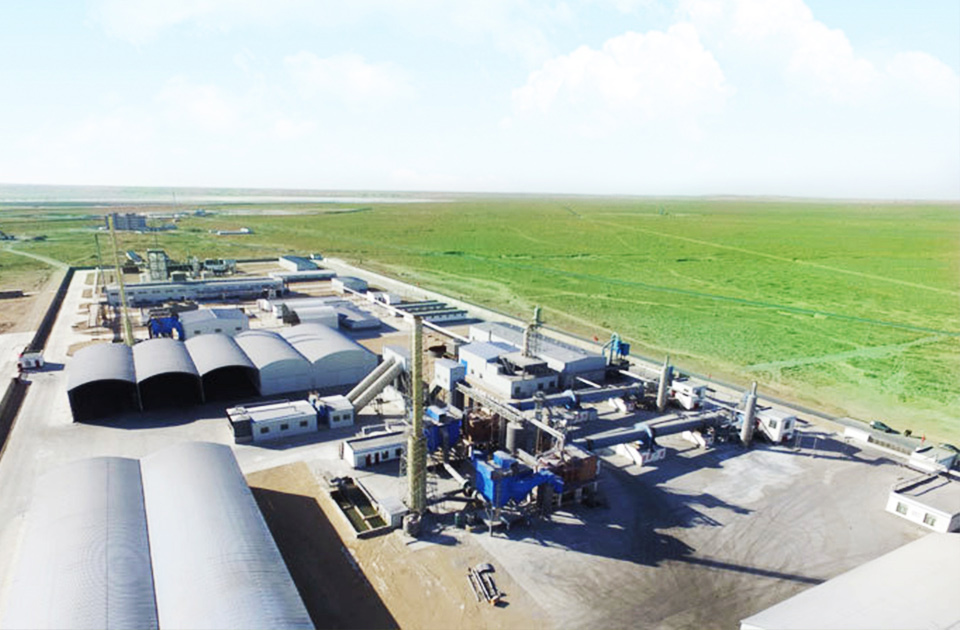
Gansu Nabowang Chemical Products Co., Ltd. (NBWCHEM) manufactures sodium sulfide in Gansu, China, and supplies yellow and red flakes for industrial customers.
Our minimum order quantity is 1 metric ton. Third-party inspection can be arranged before shipment, and export documentation can include customs declarations and certificates of origin.
For textile inquiries, provide your required Na₂S content, iron limit, water-insoluble matter limit, order quantity, packaging preference and destination. Where possible, also identify the sulfur dye system and the specification of your currently approved product.
We recommend confirming the agreed product specification and completing a suitable dyeing trial before changing routine production supply.
Related Article