What Is Dimethyl Disulfide (DMDS)?
1. What Is Dimethyl Disulfide?
Dimethyl disulfide is a liquid organosulfur compound with the structural formula CH₃–S–S–CH₃. Its structure consists of two methyl groups connected by a sulfur–sulfur bond. It is also known as methyl disulfide.
DMDS is used in refining and petrochemical processes, particularly for catalyst sulfiding and as an anti-coking agent in suitable process systems. The required product specifications depend on the intended application and operating conditions.
2. DMDS Meaning
DMDS stands for dimethyl disulfide.
The name describes its chemical structure: “dimethyl” refers to the two methyl groups, while “disulfide” refers to the two bonded sulfur atoms.
DMDS is the abbreviation for the substance, rather than a purity grade. When ordering industrial DMDS, buyers should specify the required purity, impurity limits, packaging and intended use.
3. Dimethyl Disulfide CAS Number and Transport Identification
Chemical identifiers help buyers confirm the correct substance and review its shipping documentation.
| Item | Information |
|---|---|
| Chemical name | Dimethyl disulfide |
| Abbreviation | DMDS |
| Other name | Methyl disulfide |
| CAS number | 624-92-0 |
| EC number | 210-871-0 |
| Molecular formula | C₂H₆S₂ |
| UN number | UN 2381 |
| Transport hazard class | 3 |
| Subsidiary hazard | 6.1 |
| Packing group | II |
The CAS number identifies the chemical substance, while the UN number identifies it for dangerous goods transport.
Dimethyl disulfide HS code:2930909099 ( Confirm the applicable customs code with the exporter or customs broker before shipment. The complete declaration code should match the product and the importing country’s tariff requirements.)
4. Dimethyl Disulfide Properties
The following values are reference data for the substance. They should not be treated as guaranteed specifications for every commercial batch.
| Property | Reference value |
|---|---|
| Physical state | Liquid |
| Odor | Characteristic sulfurous odor |
| Molecular weight | 94.20 g/mol |
| Boiling point | Approximately 109–110°C |
| Melting point | Approximately −85°C |
| Density | Approximately 1.046 g/mL at 25°C |
| Water solubility | Approximately 2.5 g/L at 20°C |
| Flash point | Approximately 10°C, closed cup |
| Autoignition temperature | Above 300°C |
These values are drawn from published chemical reference information; differences between sources can reflect measurement conditions and methods.
Dimethyl Disulfide Density
A published density value for DMDS is 1.046 g/mL at 25°C, equivalent to approximately 1,046 kg/m³. Density should always be reported with its measurement temperature.
For commercial loading calculations, use the supplied product’s verified density and the container’s permitted filling limits.
Solubility
DMDS has limited solubility in water. It should not be described as water-miscible.
Stability
DMDS is generally stable under normal ambient storage conditions when handled appropriately. Keep it away from incompatible substances and ignition sources, following the product’s current Safety Data Sheet (SDS).
Corrosion and Material Compatibility
Container compatibility should be assessed for the complete packaging system, including the vessel, internal coating, seals and fittings. Buyers should confirm suitability for the supplied grade and storage conditions rather than assume that every metal or plastic container is suitable.
Autoignition Temperature vs. Flash Point
The autoignition temperature is the temperature at which a substance can ignite without an external ignition source. The flash point concerns ignition of vapor by an external source.
DMDS can present a fire hazard at ordinary ambient temperatures, even though its reported autoignition temperature is above 300°C.
5. How Should Dimethyl Disulfide Be Stored?
Store DMDS in a cool, well-ventilated area suitable for flammable chemicals. Keep containers tightly closed and restrict access to authorized personnel.
Keep it away from heat, sparks, open flames and other ignition sources. Use appropriate ventilation and precautions against static discharge. Segregate it from oxidizing agents and other incompatible materials identified in the current SDS.
Storage temperature limits, environmental controls and inspection arrangements should follow the supplier’s SDS and the requirements of the storage facility.
6. Dimethyl Disulfide Packaging Options
NBWCHEM offers the following DMDS packaging options, subject to confirmation of container specifications and shipping requirements:
| Packaging | Purchasing consideration |
|---|---|
| Galvanized steel drums | Suitable for orders requiring individual drum handling |
| IBC containers | An option for customers with compatible unloading and storage facilities |
| ISO tank containers | An option for bulk shipments and suitable receiving systems |
Before ordering, confirm the net weight, container material, fittings, unloading arrangements and dangerous goods transport requirements.
DMDS Supply from NBWCHEM
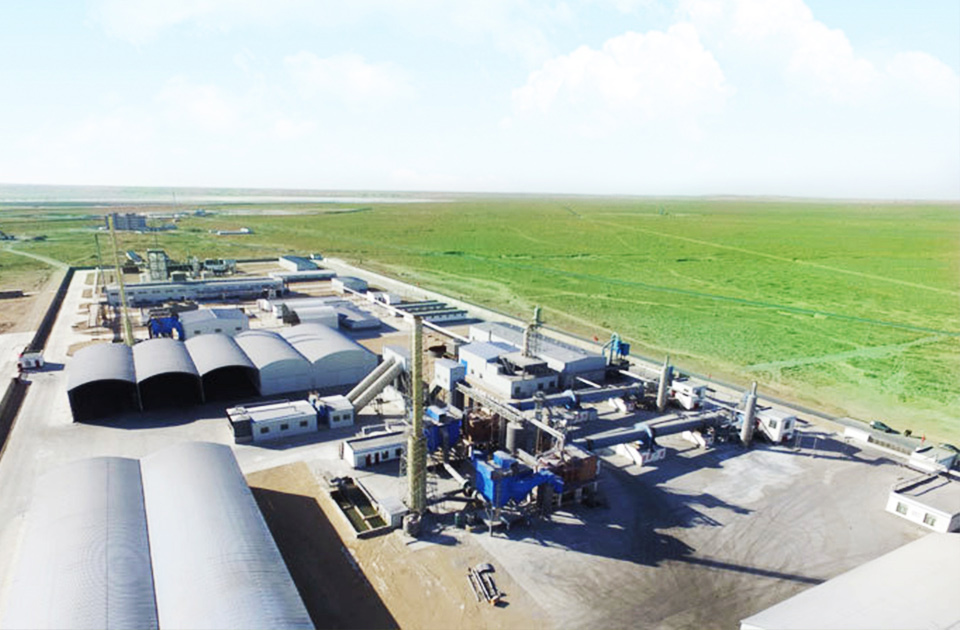
Gansu Nabowang Chemical Products Co., Ltd. is a dimethyl disulfide manufacturer in China, offering 99.5% DMDS with a minimum order quantity of 1 metric ton.
Packaging options include galvanized steel drums, IBC containers and ISO tanks. Shipments can be arranged through Tianjin or Qingdao Port, and third-party inspection before shipment is available.
To request a quotation, provide your required quantity, packaging preference, destination port and product specifications.
DMDS for Catalyst Presulfiding in Oil Refining
Related Article