What Is Sodium Sulfide? Formula, Properties, Hazards and Uses
Understanding its composition, properties and handling requirements helps buyers select a suitable grade and manage the product correctly.
1. What Is Sodium Sulfide?
Sodium sulfide, also spelled sodium sulphide, is a sodium salt of hydrogen sulfide. It serves as a sulfide source and reducing agent in several industrial processes.
Industrial sodium sulfide is available in different concentrations and impurity grades. Commercial flakes contain water and may contain impurities that affect their appearance and suitability for particular applications.
NBWCHEM supplies yellow sodium sulfide flakes and red sodium sulfide flakes. Buyers should compare the sodium sulfide content, iron content and water-insoluble matter rather than selecting a product by color alone.
2. What Is the Formula of Sodium Sulfide?
The chemical formula of sodium sulfide is Na₂S. It consists of two sodium ions, Na⁺, for each sulfide ion, S²⁻.
Its molecular weight is approximately 78.04 g/mol, calculated for anhydrous Na₂S. Hydrated forms can be represented as Na₂S·xH₂O, where the water content varies.
Sodium sulfide should not be confused with sodium hydrosulfide, NaHS. Although both provide sulfide in industrial processes, they have different compositions and should not be substituted without checking the process requirements.
3. Physical Properties of Sodium Sulfide
Appearance
Pure anhydrous sodium sulfide is generally described as a white-to-yellow crystalline solid. Commercial grades may appear yellow, red, reddish-brown or tan and can be supplied as flakes, granules or powders.
Sodium sulfide is hygroscopic, meaning it absorbs moisture from the air. Exposure can cause caking and deterioration. Our available products are yellow flakes and red flakes.
Does Sodium Sulfide Have a Smell?
Commercial sodium sulfide may have a characteristic rotten-egg odor associated with hydrogen sulfide gas.
Smell is not a reliable safety indicator. Hydrogen sulfide can impair the sense of smell, so the disappearance of an odor does not mean the area is safe. Facilities should use appropriate ventilation and gas monitoring based on their risk assessment.
Sodium Sulfide Density
The reported density of anhydrous sodium sulfide is approximately 1.86 g/cm³.
This value should not be used as the bulk density of bagged flakes. Bulk density includes the spaces between particles and varies with particle size, moisture and packing conditions.
What Is the Boiling Point of Sodium Sulfide?
A single boiling-point value is not a useful specification for commercial hydrated sodium sulfide flakes. Heating can cause water loss and decomposition.
The ILO/WHO safety card lists decomposition at 920–950°C for anhydrous sodium sulfide, rather than a normal boiling point. These figures should not be presented as the boiling point of commercial flakes.
Solubility
Sodium sulfide dissolves in water to form a strongly alkaline solution. Dissolution can release heat, so solution preparation requires controlled handling.
It is generally described as slightly soluble in alcohol and insoluble in ether. Solubility data should always be checked against the product’s hydration state and temperature.
Is Sodium Sulfide Toxic?
Yes. Sodium sulfide must be handled as a hazardous industrial chemical. Commercial flakes can be toxic if swallowed and can cause severe skin and eye injury. Contact with acids can release highly toxic hydrogen sulfide gas.
4. Sodium Sulfide Name, CAS Number and HS Code
| Item | Information |
|---|---|
| English name | Sodium sulfide |
| Alternative spelling | Sodium sulphide |
| Other name | Disodium sulfide |
| Common chemical shorthand | Na₂S; there is no universally preferred commercial abbreviation |
| Chemical formula | Na₂S |
| Molecular weight | 78.04 g/mol, anhydrous basis |
| CAS number | 1313-82-2 for anhydrous sodium sulfide |
| Hydrated product identification | Some hydrated grades use CAS 27610-45-3; follow the product SDS |
| HS heading | 2830.10 — Sodium sulfides |
Hydrated and anhydrous product identifiers should be checked against the actual Safety Data Sheet (SDS). The full customs code depends on the destination country’s tariff schedule and should be confirmed before shipment.
5. What Are the Main Hazards of Sodium Sulfide?
The principal hazards include:
-
Corrosive effects: Contact can damage skin and eyes.
-
Toxic gas release: Acid contact can release hydrogen sulfide.
-
Environmental harm: Releases can seriously harm aquatic life.
-
Material compatibility: The product can be corrosive to metals; storage and handling equipment must be suitable for the supplied grade.
Workers should follow the current SDS and site procedures, including suitable chemical-resistant gloves, protective clothing and eye or face protection.
6. How Should Sodium Sulfide Be Stored?
Store sodium sulfide in a cool, dry and well-ventilated area, with containers tightly closed.
Protect bags from moisture, rain, direct sunlight and physical damage. Keep the product separated from acids and oxidizing agents.
For our supplied products, storage arrangements should also keep the material away from food ingredients and incompatible combustible materials. Do not store or transport it together with acids.
NBWCHEM specifies a shelf life of one year, provided the product remains in its original sealed packaging under the recommended storage conditions. Check the batch documentation for the applicable production date and storage instructions.
If packaging becomes wet, damaged or unusually swollen, isolate the affected material and request an assessment before use.
7. What Should You Do If a Problem Occurs?
Exposure or Spillage
-
Skin or eye contact: Immediately rinse with plenty of running water and obtain urgent medical attention. Remove contaminated clothing while rinsing.
-
Inhalation: Move to fresh air only when it is safe to do so and seek emergency medical assistance.
-
Swallowing: Do not induce vomiting. Obtain immediate medical advice.
-
Spillage: Isolate the area and contact trained responders. Prevent the material from entering drains or waterways.
If hydrogen sulfide release is suspected, leave the affected area. Do not enter a contaminated or confined space to attempt an unprotected rescue. Follow the site emergency plan and product SDS.
Product Quality Concerns
If flakes show excessive caking, damaged packaging or unexpected appearance, record the batch number and take photographs. Contact the supplier before using the affected material. A review of the Certificate of Analysis (COA) and, where necessary, additional testing can help determine suitability.
How Much Does Sodium Sulfide Cost?
NBWCHEM currently offers yellow and red sodium sulfide flakes at an indicative price of USD 410–480 per metric ton, with a minimum order quantity of 1 metric ton.
The final quotation depends on grade, order quantity, packaging, destination and agreed trade terms. Contact us for the latest price and availability.
8. What Is Sodium Sulfide Used For?
Leather Processing
Sodium sulfide is used in controlled tannery processes to help remove hair from hides. Product selection and process conditions influence dehairing performance and wastewater treatment requirements.
Textile Dyeing
It is used in sulfur dye processing, where its reducing action helps prepare dyes for application to suitable fibers.
Mineral Processing
Sodium sulfide is used in selected flotation processes, including applications involving copper ores. Its suitability depends on the ore characteristics and the overall reagent system.
Industrial Wastewater Treatment
It can provide sulfide for precipitating certain dissolved heavy metals. Treatment requires controlled operation to manage residual sulfide, sludge and hydrogen sulfide risks.
Chemical Manufacturing
Sodium sulfide is used as a reducing agent and raw material in the manufacture of certain dyes and other chemical intermediates.
Pulp and Paper Production
Sodium sulfide is a component of kraft pulping chemistry, contributing to the removal of lignin from wood. Its use and replenishment depend on the mill’s chemical recovery system.
9. Sodium Sulfide Market Trends: What Should Buyers Watch?
A useful sodium sulfide market review should consider demand from leather, pulp and paper, textile, mineral processing and wastewater treatment industries.
For purchasing decisions, buyers should also monitor raw material and energy costs, freight rates, regional availability and requirements for low-iron grades.
Price comparisons are most meaningful when the quotations cover the same sodium sulfide concentration, impurity limits, packaging and delivery terms. A lower price per ton does not necessarily represent a lower cost for the intended process.
10. Where Can You Find a Sodium Sulfide Manufacturer?
When choosing a sodium sulfide manufacturer, review its production facilities, product specifications, quality documentation and ability to deliver consistent batches.
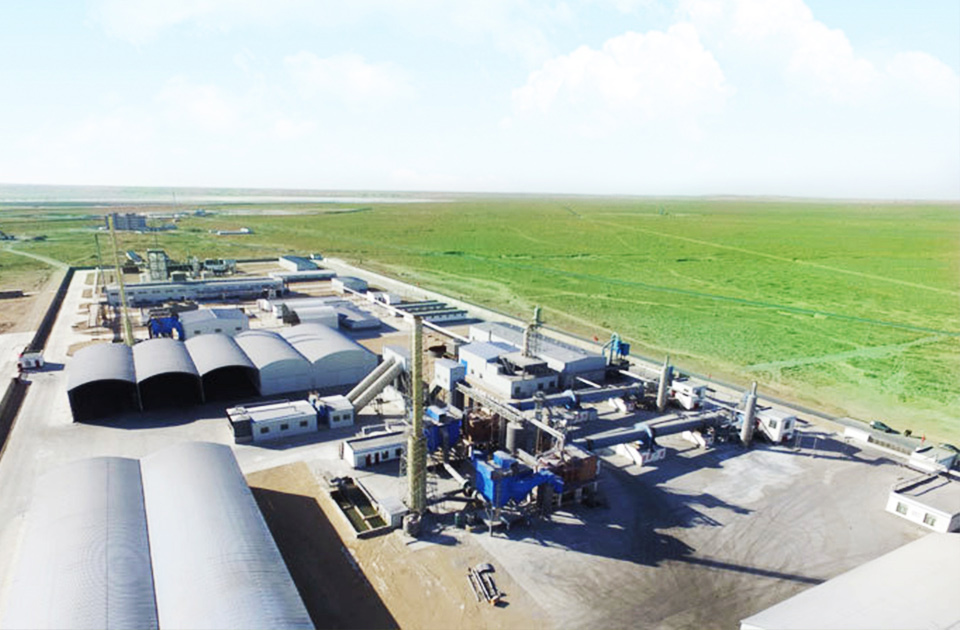
Gansu Nabowang Chemical Products Co., Ltd. (NBWCHEM) manufactures sodium sulfide in Minqin County, Gansu, China. We supply yellow and red sodium sulfide flakes for industrial buyers, with a minimum order quantity of 1 metric ton.
We can provide export documentation, including customs declarations and certificates of origin, and arrange third-party inspection before shipment. Shipping can be coordinated through Tianjin, Qingdao and other agreed ports.
Explore our sodium sulfide products or send us your required specification, quantity, packaging and destination for a quotation.
Related Article